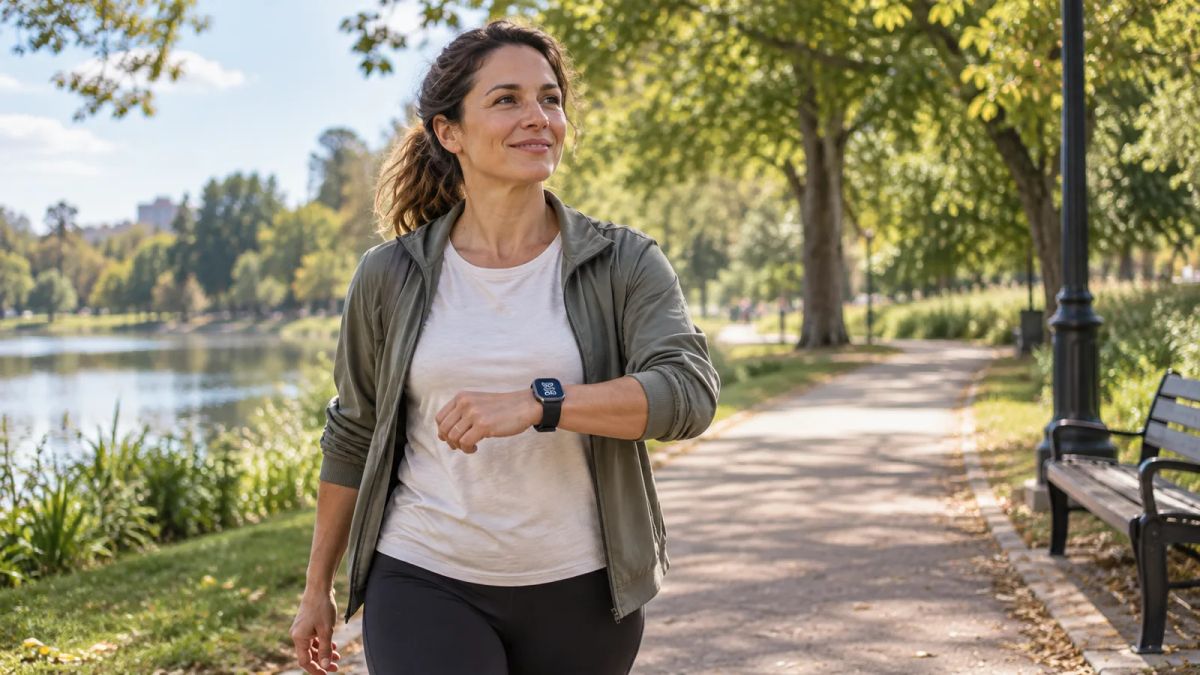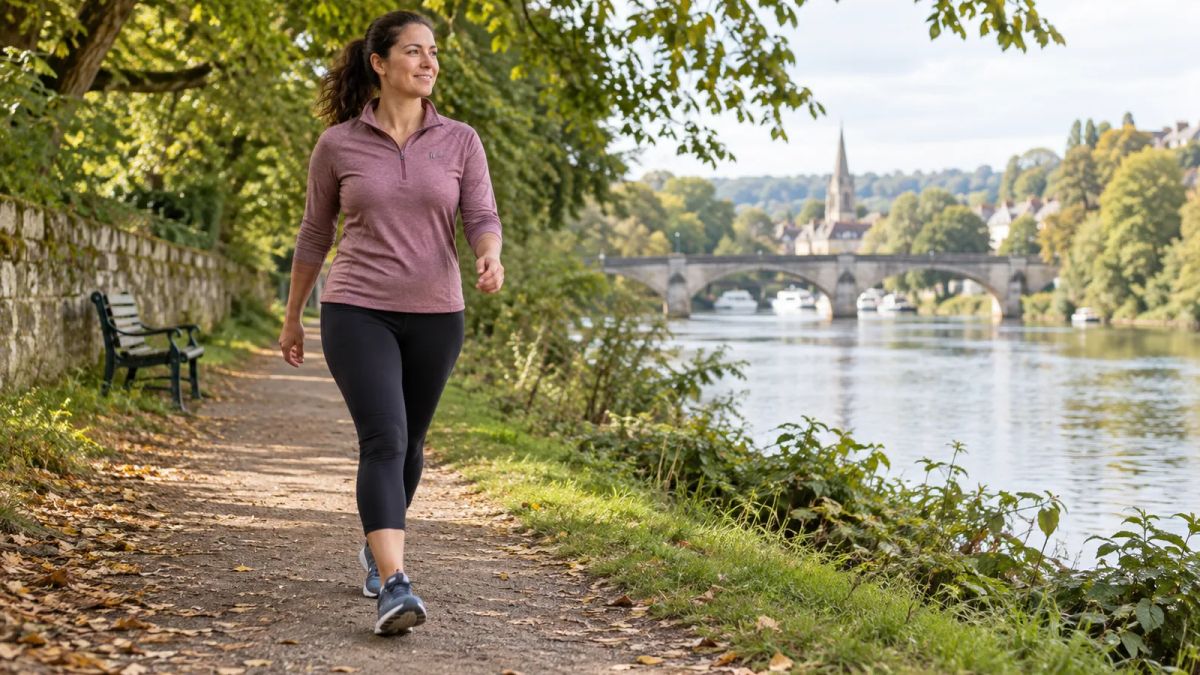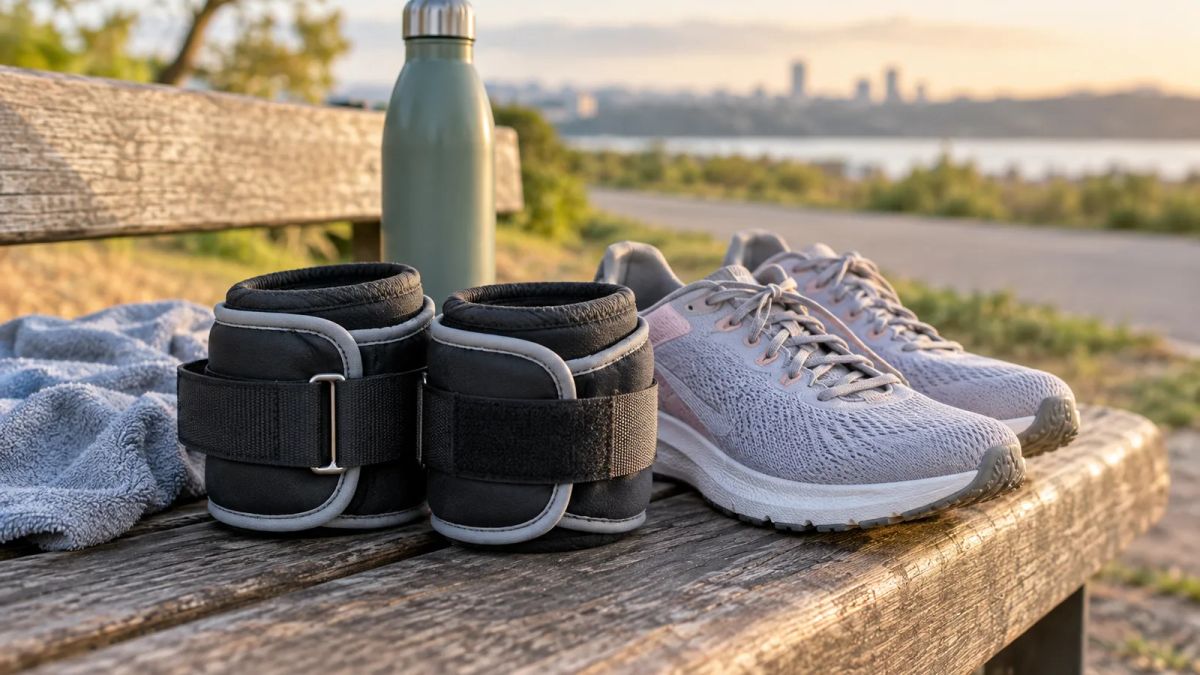
Sweatcoin and WeWard sell the same tempting idea. Your steps are worth something, so you may as well be paid for the walking you'd do anyway. Pacer comes at it from another angle, counting steps and setting goals without the coins. If you've used one of them and gone hunting for something better, you're in good company, and it's usually for a plain reason. The payout felt tiny. The app kept nagging. The battery drained. Or you wanted a step counter that leaves your walk alone and doesn't turn it into a daily chore.
This is a roundup of the strongest apps like Sweatcoin, WeWard and Pacer, sorted so you can see at a glance what runs on your phone, what it costs, and what it does for the steps you take. Some pay a little cash or gift cards. Some charge you to raise the stakes. A couple only count, quietly and for free. Each entry says which, so nothing catches you out later.
One thing before the list, said plainly because the searches that lead here often promise more than the apps deliver. The "get paid to walk" money is real, but it's small. A good 10,000-step day on WeWard earns you eight to ten Wards, worth roughly five or six pence, and a $15 payout takes eight to ten months of walking every day and remembering to tap. Sweatcoin's crypto route pays a typical walker around a dollar a year. Winwalk and CashWalk top out near five to eight pounds a month in gift cards, and only if you open the app and claim every day. Treat any of these as pocket money, not income, and you'll enjoy them far more.
So the better question isn't which app pays most. It's what you want walking to feel like, and how you react when you miss a day.
1. WeWard: the friendliest of the pay-to-walk apps
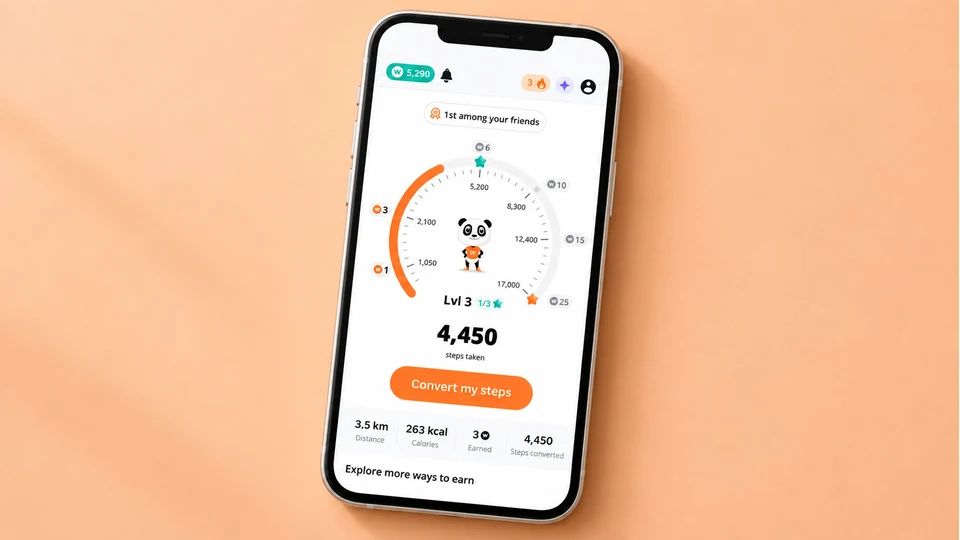
WeWard is the one most people picture when they search for apps like WeWard, or for apps like Sweatcoin that pay real money. You walk, you open the app, you tap to turn steps into points called Wards, and once you've banked enough you cash out through PayPal, Venmo, a bank transfer or a gift card, or you donate to charity. It's a real French company with a long payout record, and there are treasure-hunt style cards to collect around real places, which adds a bit of play.
Now the honest part. One Ward is worth about half a penny, so in the US roughly 2,050 Wards buys a $15 payout. Reach 10,000 steps and hit your daily green-star goal and you'll earn about ten Wards. That's why a payout takes the best part of a year. Steps don't convert themselves either. You have to open the app and tap before midnight, or that day earns nothing.
Free on iPhone and Android, with an optional paid subscription and card packs.
Best for: walkers who like a friendly, gamified nudge and don't mind a slow drip of real cash. Skip it if: the daily tap-to-claim ritual sounds like exactly the admin you're trying to avoid.
2. Sweatcoin: big name, small payout
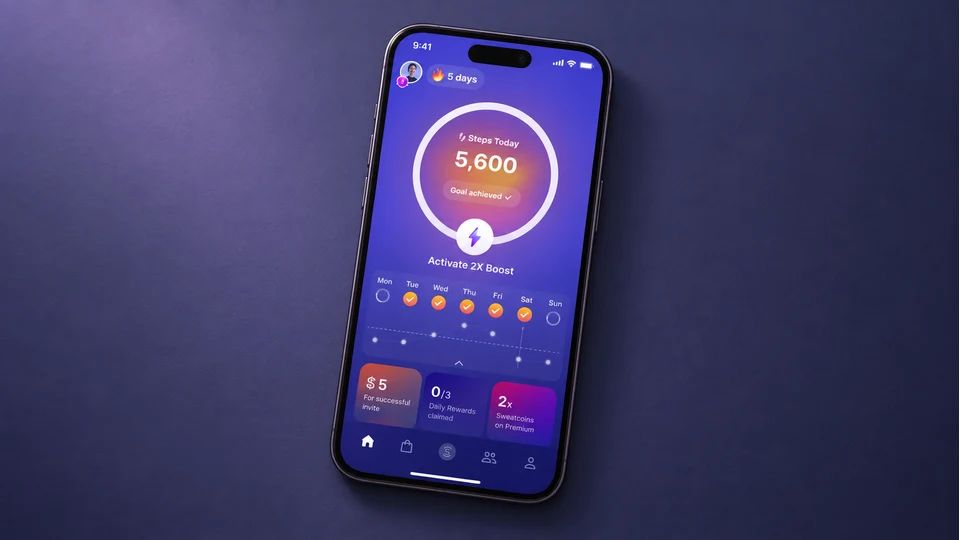
Sweatcoin is the app that started the whole get-paid-to-walk category, and it's still the first name people reach for. It tracks your steps in the background and pays you in two things: sweatcoins, which are in-app points for its marketplace, and SWEAT, a cryptocurrency you can trade or stake. The marketplace has genuine discounts and the odd big prize draw, and it runs happily without you tapping anything.
The catch is baked into the maths. Sweatcoins only spend inside the app, and the good marketplace offers go fast. The SWEAT token is worth a fraction of a penny, and the app keeps raising the number of steps needed per token, from 1,000 at launch to more than 5,000 now. Real reviews land on the same verdict every time: Sweatcoin is legitimate, but the cash is close to nothing.
Free on iPhone and Android.
Best for: people who want a hands-off motivator and treat any reward as a bonus. Skip it if: you're chasing sweatcoin alternatives precisely because the money felt like a rounding error.
3. Pacer: the step counter, minus the coins

Pacer is the pick when you've decided the rewards aren't the point and you want a proper walking app instead. It counts steps, distance and calories around the clock using your phone's sensors, sets goals, runs group challenges and leagues, maps routes, and syncs with Apple Health, Google Fit, Samsung Health, Garmin and Fitbit. It doesn't pay you a bean, and that's the appeal, because nothing about your walk is being turned into currency.
The free version is broad enough for most people. Pacer Premium adds an AI coach, guided walks, virtual adventure challenges and an ad-free screen, and the ads on the free tier can get pushy. As a plain, reliable tracker it's one of the best around, and it's the obvious home base among Pacer alternatives if you like Pacer but want fewer ads.
Free on iPhone and Android, with an optional Premium subscription.
Best for: anyone who wants accurate tracking and challenges without a rewards economy attached. Skip it if: you specifically wanted the walk to earn you something.
4. StepBet: put your own money on the line
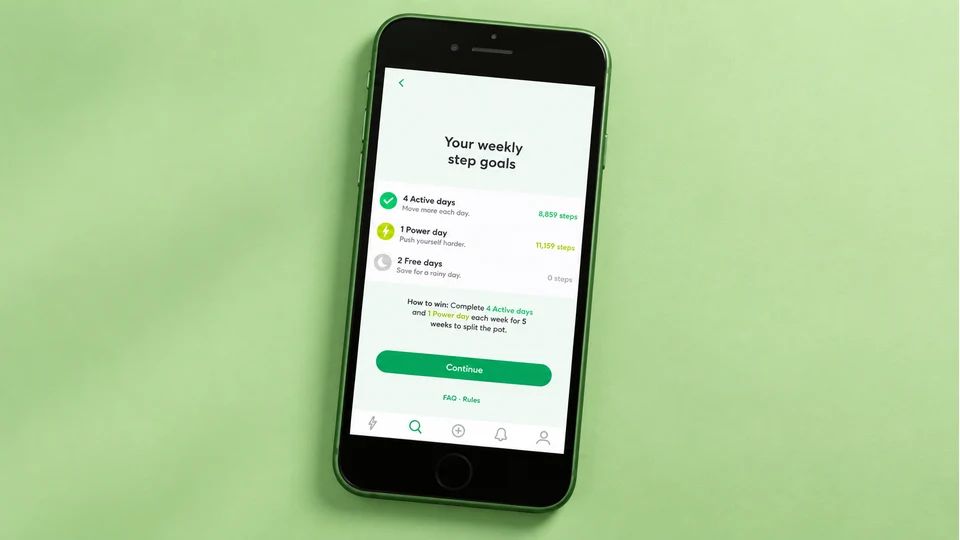
StepBet flips the model. Instead of paying you to walk, it asks you to bet on yourself. You join a game, usually with about a $40 stake, get personalised step goals based on your own history, and win your money back plus a share of the pot if you hit your targets every week. Most games run six weeks, with a gentle warm-up week you can't be knocked out in, and it connects to Fitbit, Garmin, Apple Health and Google Health Connect.
The pull here is accountability with real skin in the game, which works well if a small financial sting keeps you moving. StepBet takes a 15% cut of the pot, and there's a no-lose guarantee that means you get your stake back at worst. You can win a little, but nobody's getting rich, and if you drop out mid-game you can lose your bet.
Free to download on iPhone and Android, though the games cost money to enter.
Best for: people who move more when there's cash at stake and want goals matched to their current fitness. Skip it if: betting your own money on your step count sounds more stressful than motivating.
5. Winwalk: gift cards, one tap at a time

Winwalk trades steps for gift cards from the likes of Amazon, Walmart and Uber Eats. The model is easy to check: one coin per 100 steps, up to 100 coins a day for hitting 10,000, which works out at roughly five pence of walking a day. You can top that up with surveys, app installs and referrals if you want to reach a payout faster.
The honest catches are the same ones people flag every year. You have to claim your coins before midnight or lose them, there are a lot of ads, and cashing out for a decent card can take around 200 days on steps alone. It does pay, and plenty of people have received their cards, but the pace is slow.
Free, and it grew up on Android, though there's now an iPhone version too.
Best for: patient walkers who like collecting gift cards and don't mind the ads. Skip it if: daily claiming and ad-watching feels like a second job.
6. CashWalk: the gift-card twin
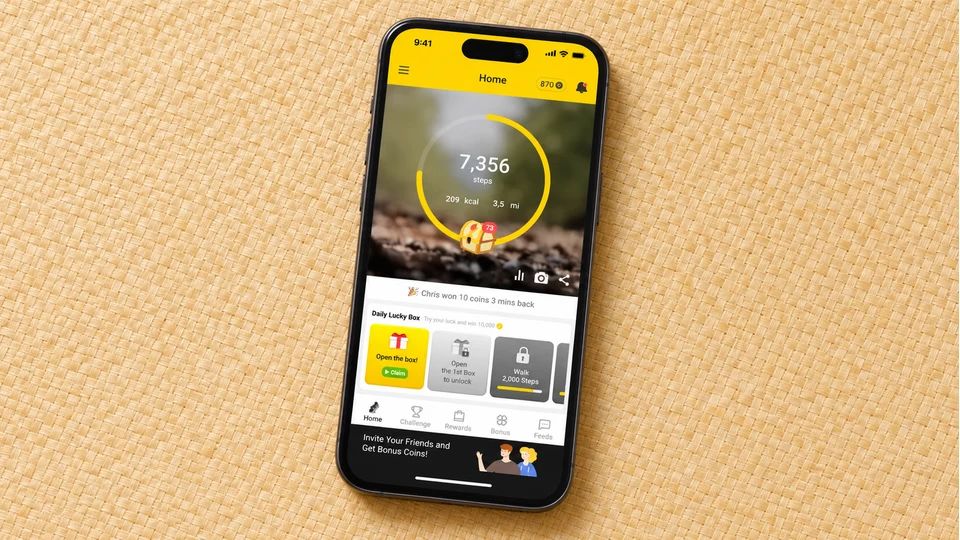
CashWalk sits in almost the same spot as Winwalk, and the two are worth comparing side by side. It gives you one coin per 100 steps, caps you at 100 coins a day, and lets you swap coins for over 30 gift cards, starting at a $5 card for 2,000 coins. That's about 20 days of maximum walking for your first small reward, or roughly seven pounds fifty a month at full pelt.
It counts steps automatically, which is a point in its favour, but you still open the app and tap a treasure box to bank your coins. Reviewers note it's ad-heavy, that it can struggle to track runs and sports, and that it's gift cards only, with no PayPal or bank transfer. Legitimate, and a touch slicker than some rivals, but the earnings are the same modest trickle as everywhere else.
Free on iPhone and Android.
Best for: gift-card collectors who'd rather steps counted automatically than tap dozens of times. Skip it if: you want real cash out, or you can't stand in-app ads.
7. The free trackers that don't dangle a reward
If the reward apps have worn you down, the simplest sweatcoin alternatives may be the tools already on your phone. On iPhone, the built-in Health and Fitness apps track your steps, distance and flights climbed for free, with no coins, no ads and no daily claiming, and you can set a Move goal without owning an Apple Watch. On Android, Google is folding Google Fit into its Health app (the rebranded Fitbit app), so step tracking is shifting there. And Strava, free on iPhone and Android, is worth a look if a bit of friendly competition on leaderboards is what gets you out the door.
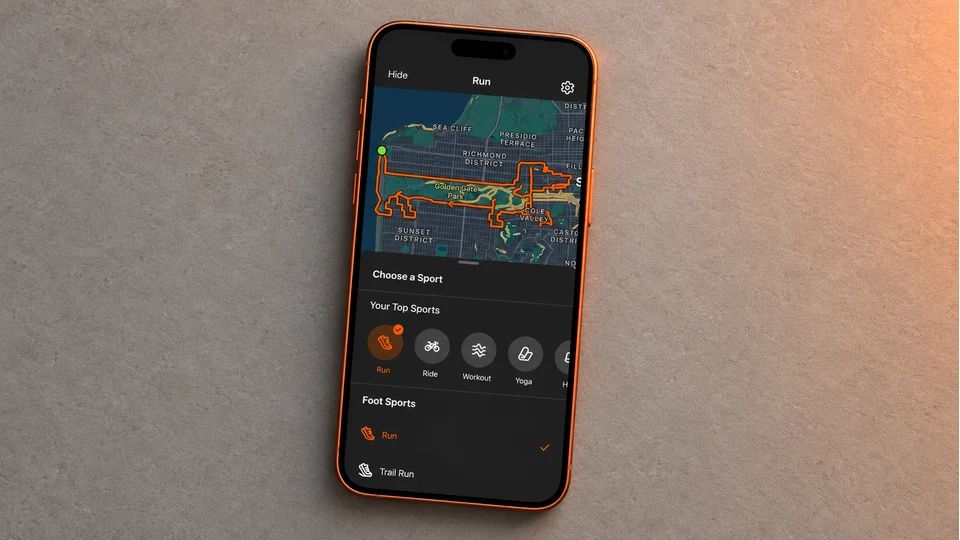
None of these pay you. What they give back is a clean number and none of the friction, which for a lot of people turns out to be the better deal.
Best for: anyone who's realised the payout wasn't worth the hassle and wants an honest count. Skip it if: the tiny reward was the thing keeping you walking.
A gentler reward than coins for your walks
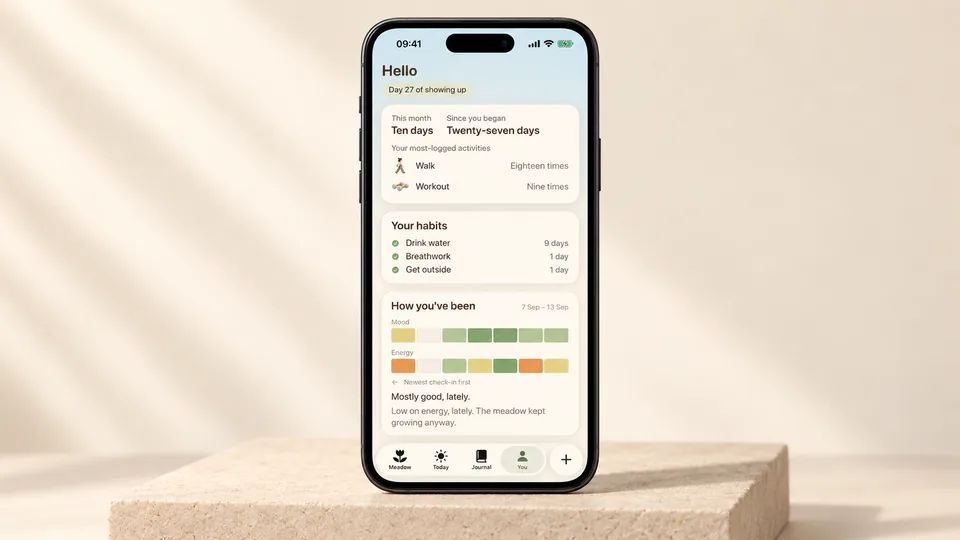
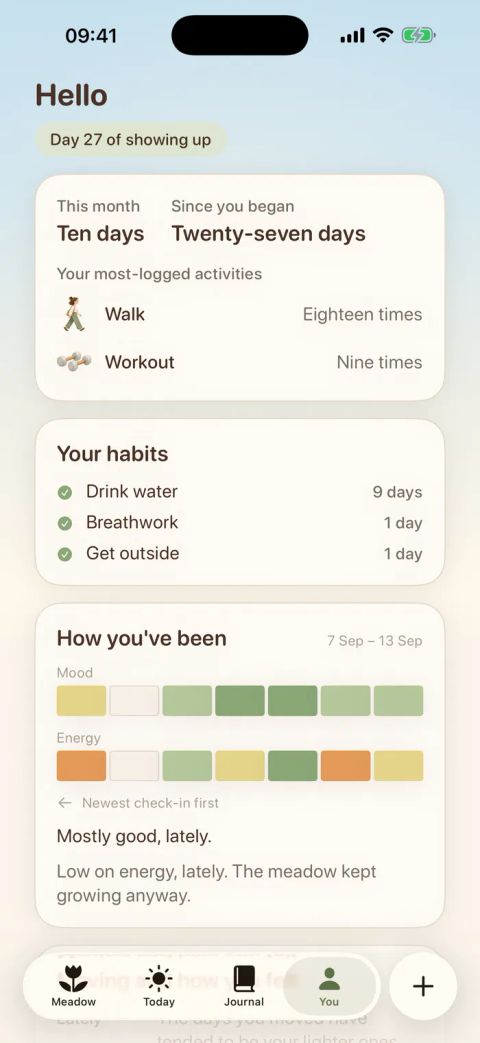
Every app above rewards you with points, coins or cash, or nothing at all. Meadow does something quieter, which is why it sits here on its own instead of in the ranking. It isn't a get-paid-to-walk app and it won't send you a gift card. When you log a walk, a new wildflower blooms in a meadow that's yours alone, and over weeks that meadow fills in with rare flowers and the odd animal visitor wandering through. The reward is the thing you've grown, not a coin worth half a penny.
It's built for consistency, so there are no streaks and no step targets to hit. Miss a day, a week or a month and nothing resets and nothing wilts, which takes the pressure off the exact days a rewards app would penalise you. There's a built-in breathwork feature too, so you can sit and breathe alongside the meadow you've grown after a walk. Made by Wildcard Wellness, Meadow is iPhone-only and a paid app, so it's a different proposition from the free earners above. Little and Often is run by the Meadow team, so treat this as our own pick and read straight past it if it isn't your sort of thing.
Best for: walkers who've noticed the coins never motivated them and want something calmer to show for the miles. Skip it if: you're on Android, or a tangible payout is the whole point for you.
How to choose the one that fits
Start with the reason you went looking, then match it.
- You want real cash, however slowly. WeWard is the friendliest, Sweatcoin the most hands-off, and both pay little, so go in expecting pocket money.
- You want gift cards. Winwalk or CashWalk, and pick the one whose ads and tapping you can live with.
- You want a firm push. StepBet, if putting your own money on the line is the thing that gets you moving.
- You want a plain tracker. Pacer for challenges, or your phone's own Health app and Strava for a free, no-strings count.
- You want the walk to feel good rather than pay out. Meadow, for a reward that grows instead of a balance that trickles.
It helps to know your own reaction to a bad week before you commit. If a lost streak or a "you didn't claim today" notification makes you want to delete the app, steer towards the ones that forgive a missed day. If you'd like a target to aim at, our guide to how many steps a day is a sensible starting point, the benefits of walking covers why the habit is worth keeping at all, and a structured walking challenge can carry you through the first few weeks better than any coin.
Don't install five of these at once. Pick the one that matches why you're here, set it up with a single small goal for tomorrow, and give it a fortnight before you judge it. The best walking app is the one still open on your phone next month, and the point was never the coins. It was the walk.
AUTHOR
Co-founder of Meadow.
Ash is co-founder of Meadow, a habit and movement tracking app that turns small acts of self-care into a growing wildflower meadow.
See how far you've come
Your habits, moods and little wins, all in one place
Meadow keeps track of the walks, the water and the good days, so you can look back and watch your effort add up.
Download Meadow