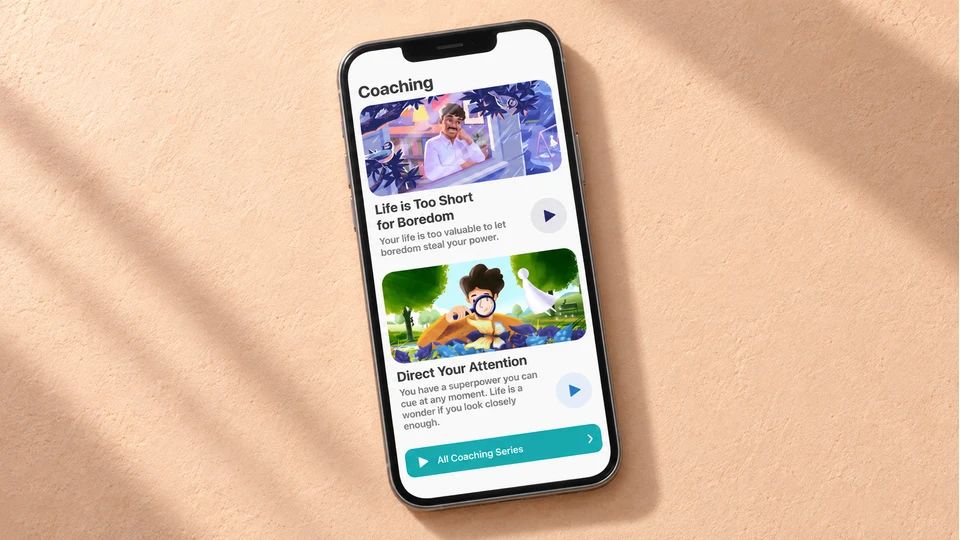
Most people who go looking for a Fabulous app alternative aren't looking to build habits any differently. They liked the warmth. They liked the little morning ritual and the encouraging voice. What wore them down was the money.
Fabulous grew out of Duke University's behavioural science lab, and the coaching underneath it is thoughtful. The friction shows up at the checkout. Its Trustpilot page sits at a middling score dragged down almost entirely by billing complaints, and reviewers describe the same handful of things over and over: a price that reads one way on the website and another in the app, charges that keep coming after they thought they'd cancelled, and a subscription that's harder to leave than it was to join. At the time of writing premium runs around $39.99 a year after a seven-day trial, though the figure people quote varies, so check the current pricing on your own App Store page before you commit.
None of that means the app is bad. It means the pressure around the paywall is the part people want to get away from. So the apps below are chosen with that in mind, whether you want the same routine coaching somewhere calmer, a warmer companion, or something you pay for once and never think about again. Prices move, so treat every figure here as a pointer and confirm it in-store.
One thing to say plainly before the list. Little and Often is run by the Meadow team, so our own app appears first. We've tried to be fair about who it suits and who would be happier elsewhere, and most of the apps here are good, so read past ours if it isn't for you.
1. Meadow: the warmth of Fabulous without the hard sell
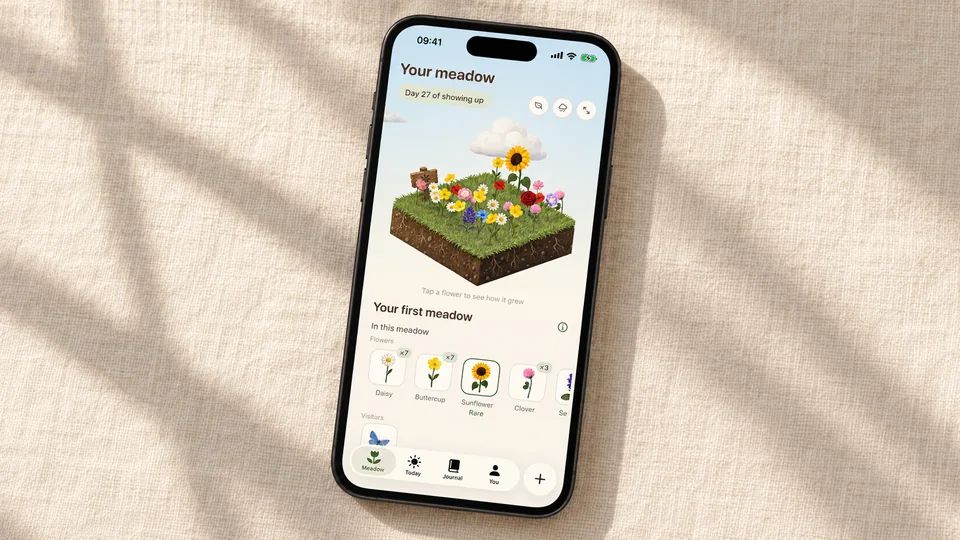
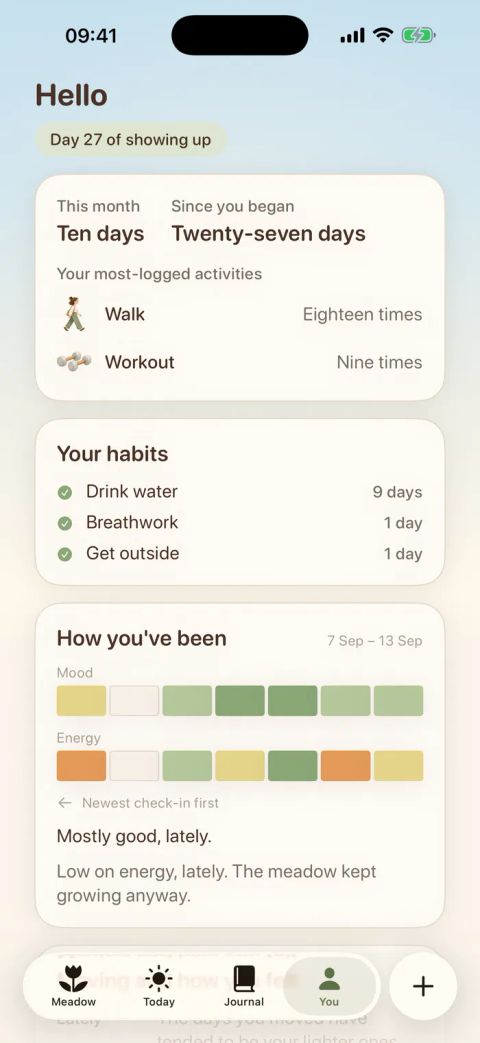
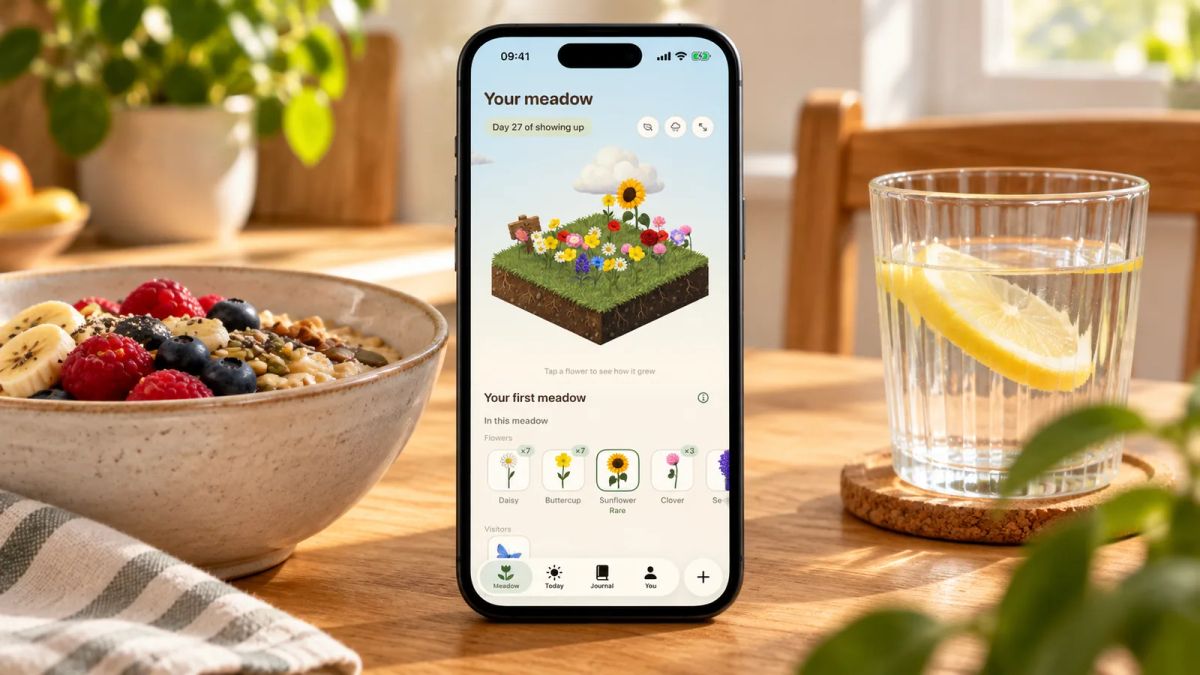
If what you'll miss is that sense of being quietly encouraged through the day, Meadow is built around exactly that. You log a bit of movement you enjoy, a walk or a dance or a few minutes of yoga, tick off small daily habits like drinking water or getting outside, and note your mood and energy. Each day you show up, a fresh wildflower blooms in a meadow that's yours alone, and rare flowers and the odd animal visitor turn up as it fills in. There's a daily win to jot down and a short affirmation to start on, and a built-in breathwork feature so you can slow your breathing beside the meadow you've grown.
The part that sets it against Fabulous is what happens when life gets in the way. There are no streaks, so miss a day, a week or a month and nothing resets. Your flowers stay put. You come back when you're ready, and the app doesn't make you feel you've failed.
Meadow is a paid app, so we'll be upfront about that, and it's iPhone only. There's no shop, no in-app currency and no boosts pushed at you mid-session, which is the sort of quiet that people leaving Fabulous tend to be after. You can find Meadow on iPhone.
Best for: anyone who wants Fabulous's kindness and calm without the upsell drumbeat. Not for you if: you're on Android, or you want everything free.
2. Finch: a self-care companion that grows with you
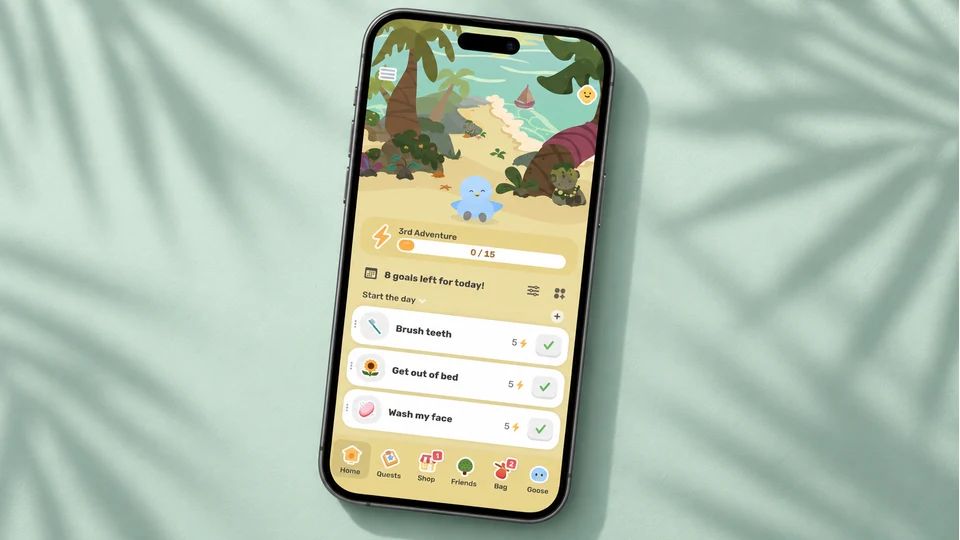
Finch is the closest thing to Fabulous's emotional warmth, and for a lot of people it's the obvious next stop. You look after a small bird by looking after yourself, so a mood check-in, a breathing exercise, a short walk or a line in a guided journal all feed back into your pet's day. The tone is soft and encouraging, which is the point.
Finch is free to download on iPhone and Android, with an optional Finch Plus subscription for extra features. In-app purchases span a wide range, so check what your own store shows before subscribing.
Best for: people who found Fabulous's coaching a touch stern and want something gentler and more playful. Worth knowing: the pet framing is lovely for some and twee for others, so it's worth trying the free version first.
3. Routinery: guided routines, step by step
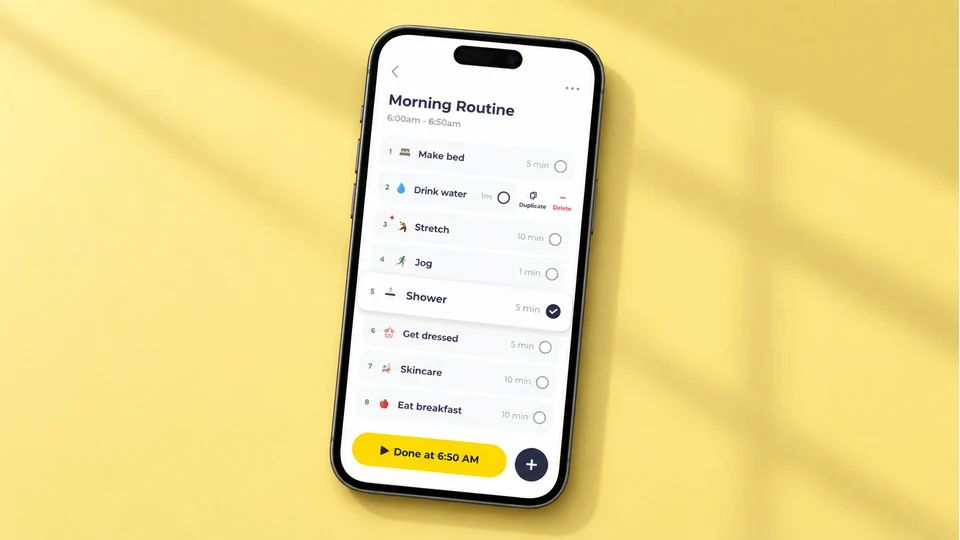
Of all the apps like Fabulous, Routinery copies the bit people used most: the guided morning and evening routine. Instead of asking whether you did a habit today, it runs your routine as a timed sequence and walks you through it, one step at a time, with audio prompts carrying you from brushing your teeth to stretching to sitting down with a coffee. There are ready-made templates if you don't want to build from scratch, and it's a firm favourite among people with ADHD who find a countdown easier to follow than a checklist.
Routinery is on iPhone and Android and works on a freemium model, with a free tier, a subscription and a one-off lifetime option. Pricing shifts with promotions, so look before you leap.
Best for: anyone who liked Fabulous mainly for the ritual and wants that sequence spelled out and timed. Not for you if: a voice talking you through your morning would grate on you.
4. Structured: your whole day on one timeline
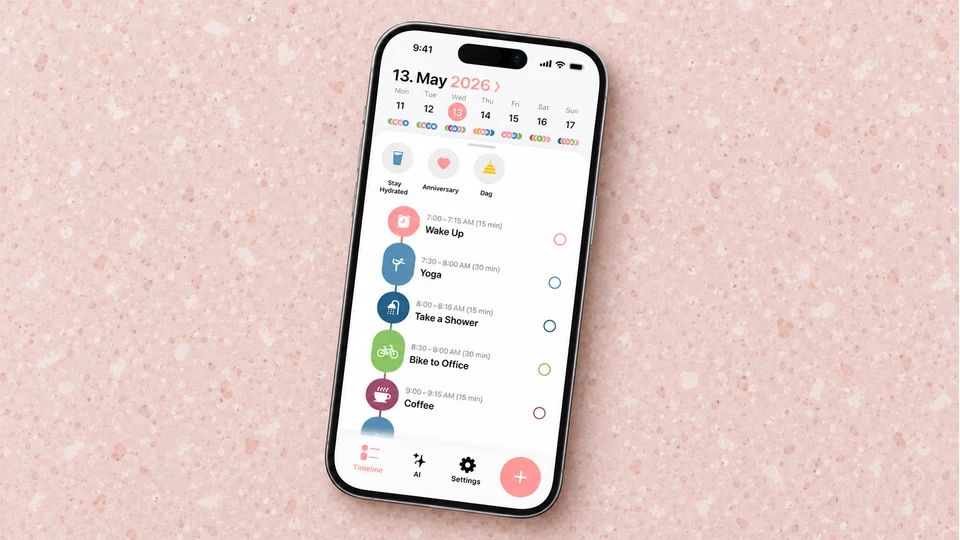
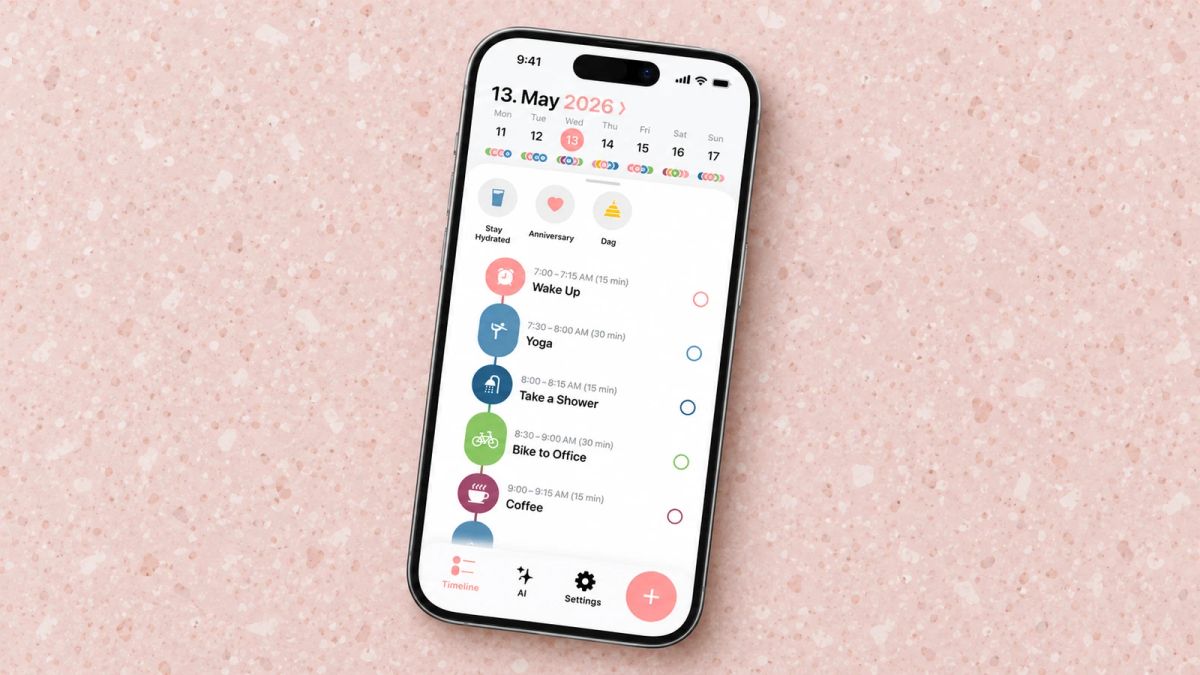
Structured takes a different angle. Rather than a habit garden or a coach, it lays your day out as a single visual timeline, so appointments, tasks and repeating habits all sit in one scrollable column you can plan in a minute or two. Habits slot in as recurring blocks, and you can pull in your calendar so the plan reflects real life instead of an idealised version of it.
Structured runs on iPhone, Android, Mac, web and Apple Watch, which is more reach than most on this list. The free version is usable on its own, with a Pro subscription and a lifetime purchase for the extras. Check the current pricing when you download.
Best for: people who want their habits sitting inside a proper daily plan, not in a separate app. Worth knowing: it leans towards planning over motivation, so if you wanted the pep talk, this isn't where you'll find it.
5. Tiimo: a visual planner made for busy brains
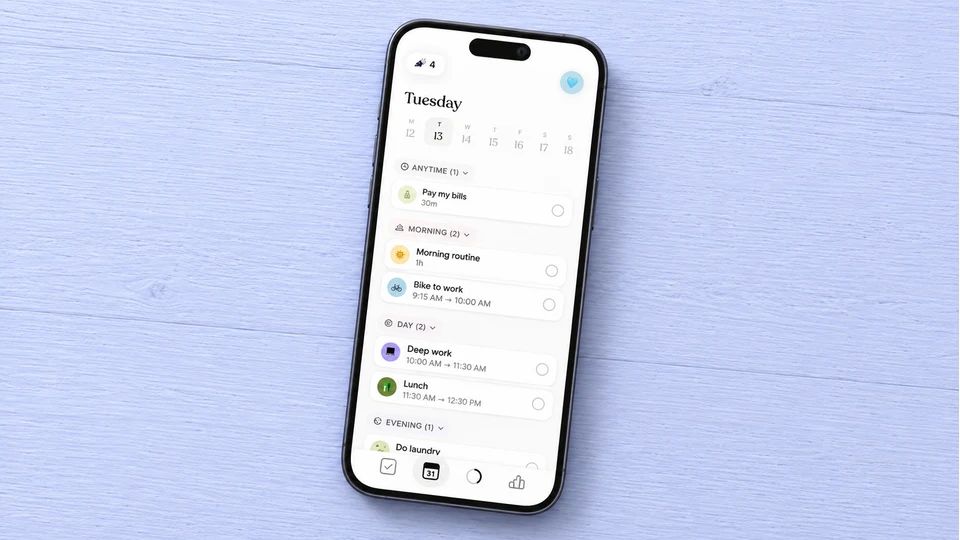
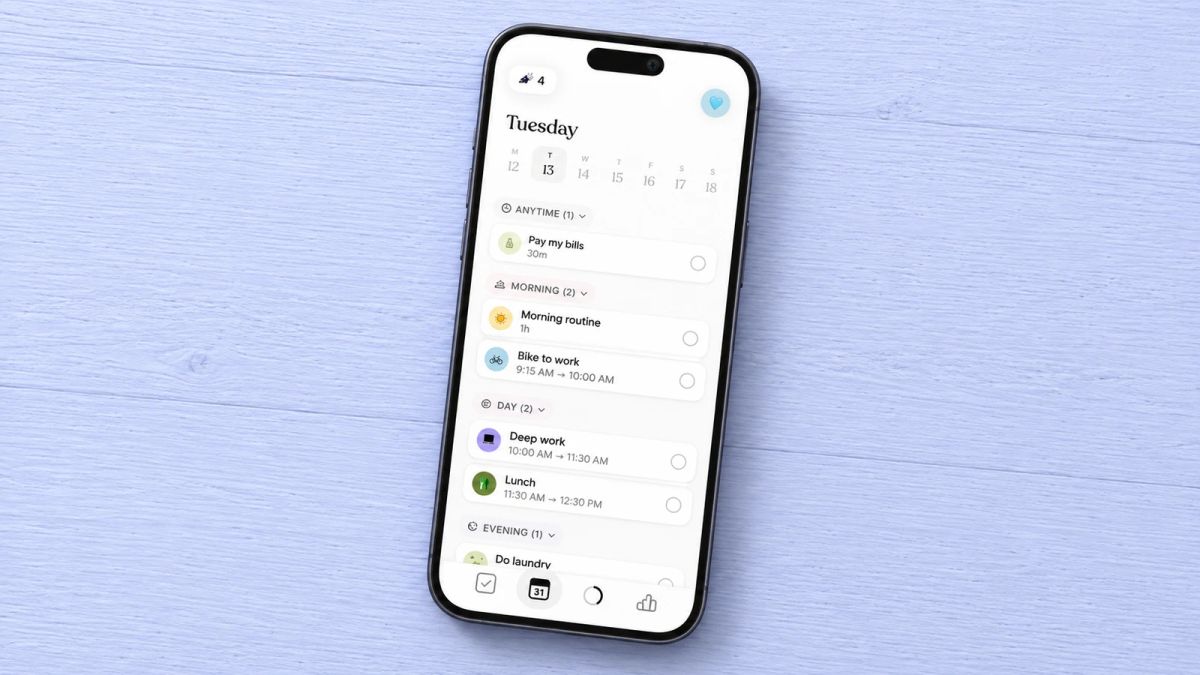
Tiimo was designed with neurodivergent users in mind, and it shows in how the day is drawn out in colour-coded blocks with clear timings and gentle visual cues. It'll break a big task into smaller steps, run a focus timer, and hold your to-do list and a mood check-in in the same place. It won an iPhone App of the Year award in 2025 and stays ad-free.
You'll find Tiimo on iPhone, iPad, Apple Watch, Android and the web. It's freemium, with a free tier covering the basics and a Tiimo Pro subscription for the AI planning and advanced scheduling. Confirm the current price in-store.
Best for: ADHD and autistic users, and anyone who plans better by seeing the day than by reading a list. Not for you if: you want the reward loop and encouragement Fabulous leaned on.
6. Habitica: turn the routine into a game
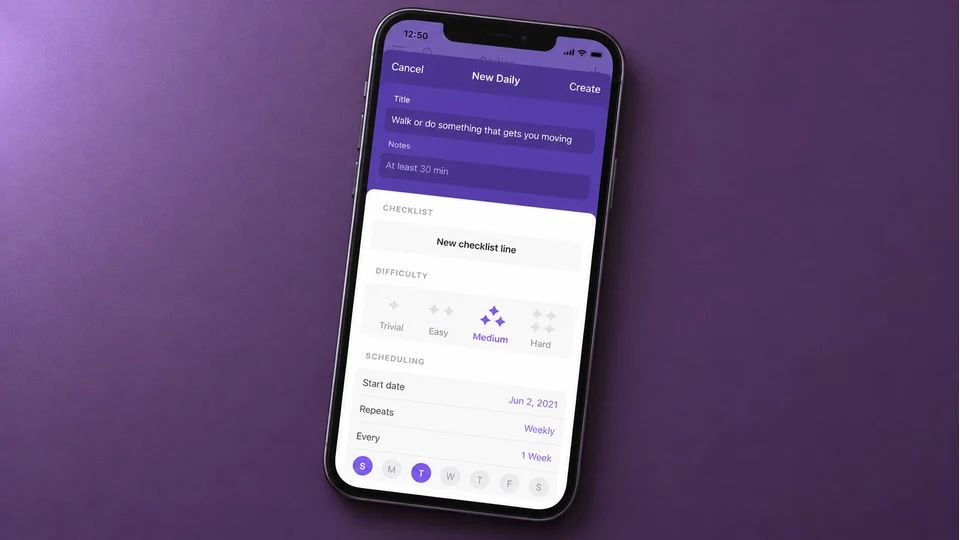
If Fabulous never quite motivated you and you suspect a game might, Habitica is worth a look. Your tasks power a little role-playing character who earns gold and experience when you follow through and loses health when you don't. Join a party with friends and your slacking affects the group, which adds real accountability on top of the fantasy.
Habitica is free to use, with an optional subscription (around $4.99 a month or $47.99 a year at the time of writing) that adds cosmetic extras while the core tracking stays free. Habitica runs on iPhone and iPad, with Android and web versions so one account follows you across devices.
Best for: people who light up at points, levels and a bit of friendly competition. Not for you if: managing a game character would feel like one more chore to keep on top of.
7. Habitify: for people who like the numbers
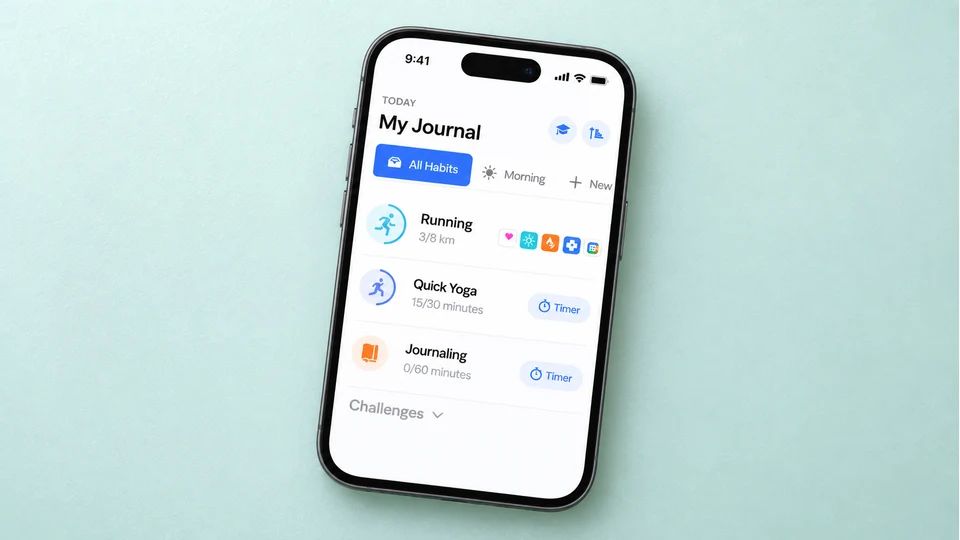
Habitify is the calm, data-minded option. It skips the coaching and the characters and gives you clean charts, calendar streaks, notes and mood logging, plus Apple Health links, so you can look back and read the pattern in your own behaviour. It's the app for someone who already knows what they want to do and mostly wants to see whether they're doing it.
There's a Habitify free tier capped at three habits, which is enough to test it. Premium lifts that cap, and the pricing page lists $2.49 a month billed annually or a one-time lifetime purchase of $59.99 at the time of writing. It works on iPhone, Android, Mac and the web.
Best for: the spreadsheet-minded, who want progress they can chart. Worth knowing: there's no warmth or hand-holding here, so it won't fill the gap if that's what Fabulous gave you.
8. Streaks: pay once, done
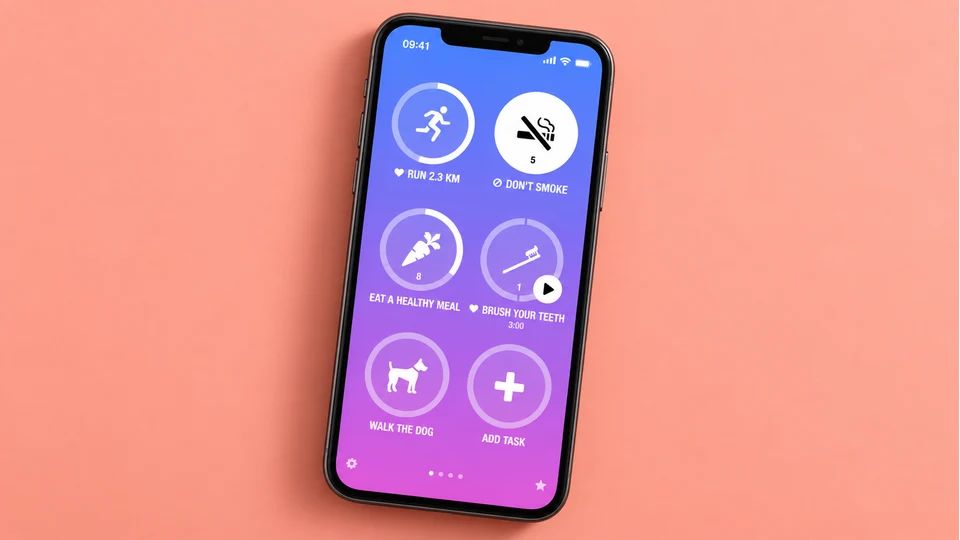
Some people leave Fabulous purely to escape a monthly bill, and for them Streaks is the clean answer. It's an Apple Design Award winner built around a simple chain of completed days, it handles up to 24 tasks, and it pulls from Apple Health so steps and workouts can tick themselves off. You buy it and that's the end of the money conversation.
Streaks is a one-time $5.99 at the time of writing, with no subscription, and it runs across iPhone, iPad, Apple Watch and Mac.
Best for: committed Apple users who'd rather pay once than rent an app forever. Not for you if: a broken chain is the thing that makes you give up, since Streaks is built entirely on protecting that chain.
How to choose the one for you
Start with what you.re escaping, because that points straight at the answer. If it's the cost and the constant nudging towards a higher tier, you want something calm and honest about money, which is where Meadow and a pay-once app like Streaks come in. If it was the coaching you loved and the price you didn't, Routinery gives you the guided routine somewhere quieter, and Finch keeps the warmth.
Then think about how you're wired. People who plan best by seeing the day should look at Structured or Tiimo. People who need a nudge from a game will get more from Habitica. People who want the receipts want Habitify.
Here are the honest shortcuts:
- Same warmth, no upsell: Meadow.
- Warmest and most playful: Finch.
- Guided routines like Fabulous: Routinery.
- Whole day on a timeline: Structured.
- Made for ADHD and visual planners: Tiimo.
- Motivated by a game: Habitica.
- Best charts: Habitify.
- Pay once, no subscription: Streaks.
Whatever you pick, the switch is a good moment to keep things small. If mornings were the part of Fabulous you cared about, our guide to a morning routine app goes deeper on that, and for tracking habits specifically the best habit tracker apps for iPhone rounds up the field. The app was never the hard part anyway, so it's worth reading how to be consistent once the novelty of a new download wears off.
Tonight, before you close your phone, pick one app from this list, add a single habit tied to something you already do each day, and set one reminder. That's the whole first step. The rest is showing up tomorrow.
AUTHOR
Co-founder of Meadow.
Ash is co-founder of Meadow, a habit and movement tracking app that turns small acts of self-care into a growing wildflower meadow.
See how far you've come
Your habits, moods and little wins, all in one place
Meadow keeps track of the walks, the water and the good days, so you can look back and watch your effort add up.
Download Meadow