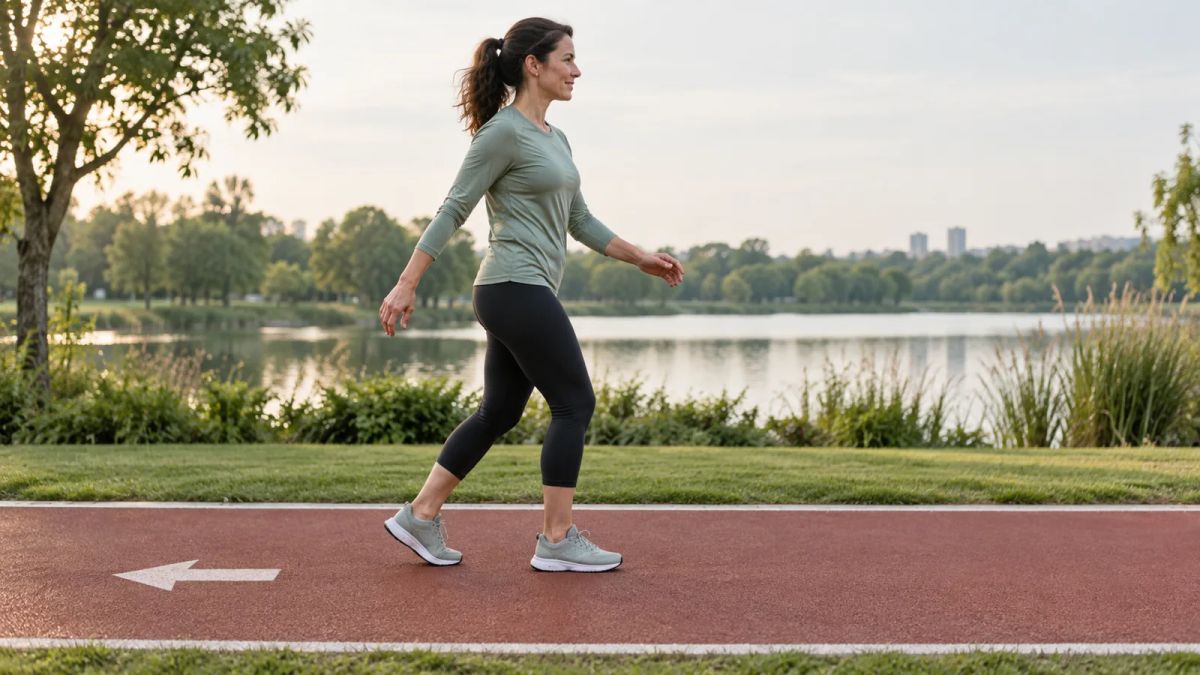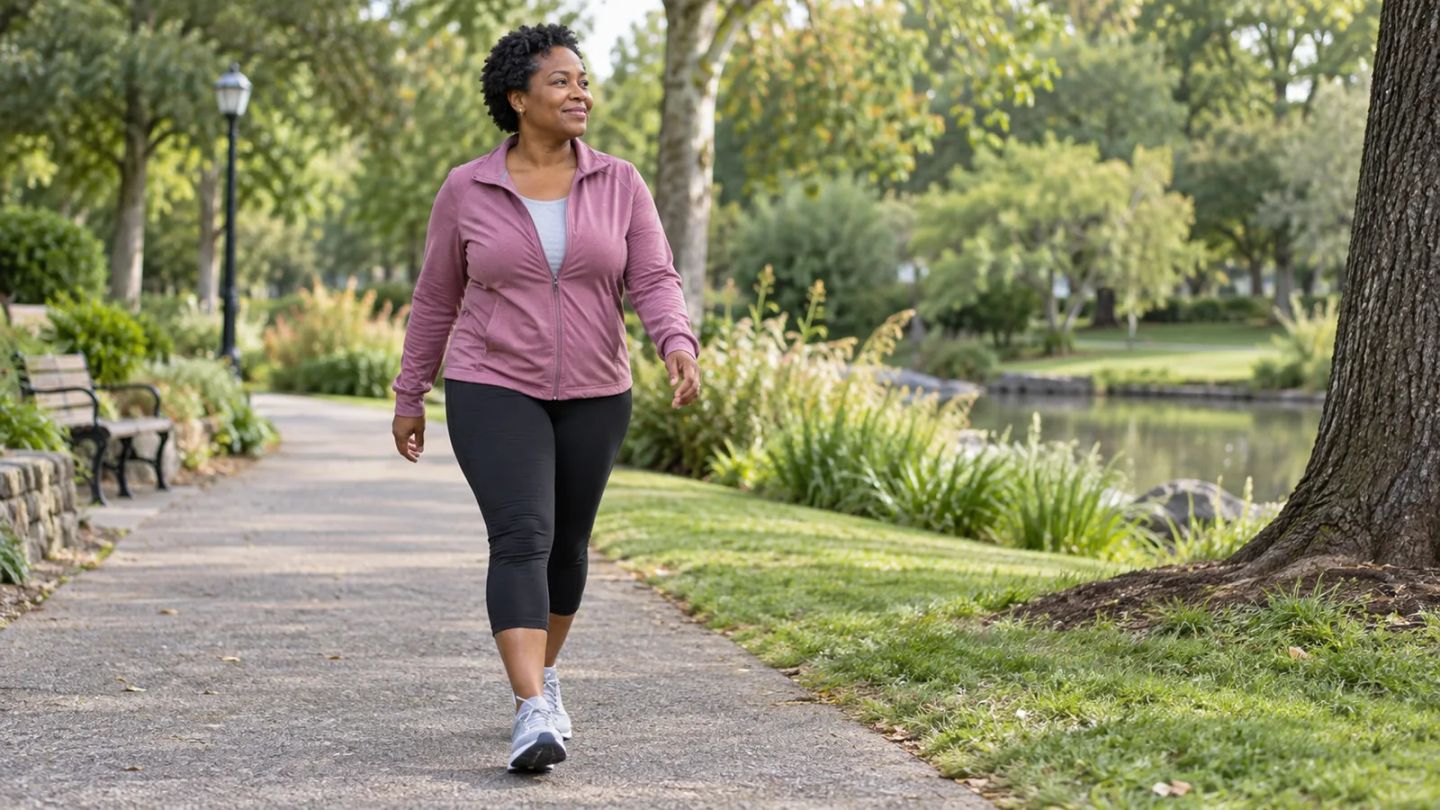
Walking is a strong workout for your heart, your legs and your mood, and it asks something of your core with every step. It falls short of being a full-body or strength session, though. Your upper body barely joins in, and walking on its own won't build much muscle.
That's no knock on walking. It's one of the easiest ways to move more, and the case for doing it most days is solid. But "full-body workout" oversells it, and if you're walking in the hope of getting stronger all over, you'll want to know where the gaps are.
Here is what walking trains well, what it leaves out, and how to make an ordinary walk ask more of you.
What walking does train
Walking is cardiovascular exercise. Harvard's Nutrition Source puts it plainly: it raises your heart rate, improves blood flow and can lower blood pressure. Do it briskly and often and you are training the system that gets you up a flight of stairs without stopping for breath.
Below the waist, your legs do the work. Every stride drives your quads, hamstrings, calves and glutes through the same repeated, light motion, thousands of times a walk. That is endurance work for those muscles rather than heavy lifting, so they get better at going for longer.
Your core is in it too, more than people expect. When you let your arms swing naturally at your sides, the muscles around your trunk fire to keep you balanced and upright, the same Harvard page notes. Walk with decent posture and your abdominals and lower back are working the whole way, quietly.
There is a preservation angle worth knowing. Cleveland Clinic points out that walking helps strengthen and hold onto muscle mass even while you are losing weight, which counts for more as you age and muscle naturally starts to slip.
Walking is real exercise, then. Lower body, heart, core. Not all of you, though.
What walking leaves out
Your arms, shoulders, chest and back sit out most of a normal walk. They swing a little for balance, but nothing loads them and nothing pushes them to get stronger.
Walking also won't build much muscle anywhere, top or bottom. Muscle grows when you work it against a resistance hard enough to force it to adapt, and a walk is light and repetitive by design. It tones and maintains the leg muscles you already have. It doesn't add real size or raw strength the way lifting does.
That gap shows up clearly when you put walking head to head with strength work.
Walking against strength training
A 16-week trial split 67 women aged 60 and over into a resistance-training group, a walking group and a control group, then measured their strength before and after. The results map the divide neatly.
The walking group improved, but only where walking does its work. Their lower-limb strength rose by around 49 per cent and their quadriceps force by about 42 per cent, and everyday movements got easier. Their upper-body strength didn't move.
The resistance group improved everywhere. Upper-limb strength climbed about 49 per cent, lower-limb about 57 per cent, biceps and quadriceps force both rose, and they gained more in day-to-day function overall. The researchers were direct about why: strength work loaded the upper and lower body at once, while walking reached only the legs.
There is the honest split. Walking builds and keeps lower-body endurance and function. For upper-body and whole-body strength you need something that loads those muscles, and a walk isn't it.
How to make a walk ask more of you
You can push a plain walk a long way before you reach for any kit, and a few changes bring more muscle into it. Alter one thing at a time and give your body a week or two to settle before you add the next.
- Swing your arms and stand tall. Driving your arms and holding an upright posture pulls your core and shoulders into the walk and lifts your pace for free.
- Add intervals. Harvard Health suggests three to four minutes at your normal pace, then a 30-second burst of brisk walking, repeated five to ten times. The NHS describes brisk as a pace where you can still talk but couldn't sing.
- Find some hills. Walking uphill, up stairs or on an inclined treadmill loads your legs and glutes far more than flat ground does. Our guide to incline walking covers this in full.
- Use walking poles. This is the closest a walk gets to a full-body version. In a study of Nordic walking, upper-body muscle activity jumped sharply against ordinary walking: the triceps worked about 16 times harder on average, the lats around four times, and the biceps, shoulders and abdominals all did noticeably more.
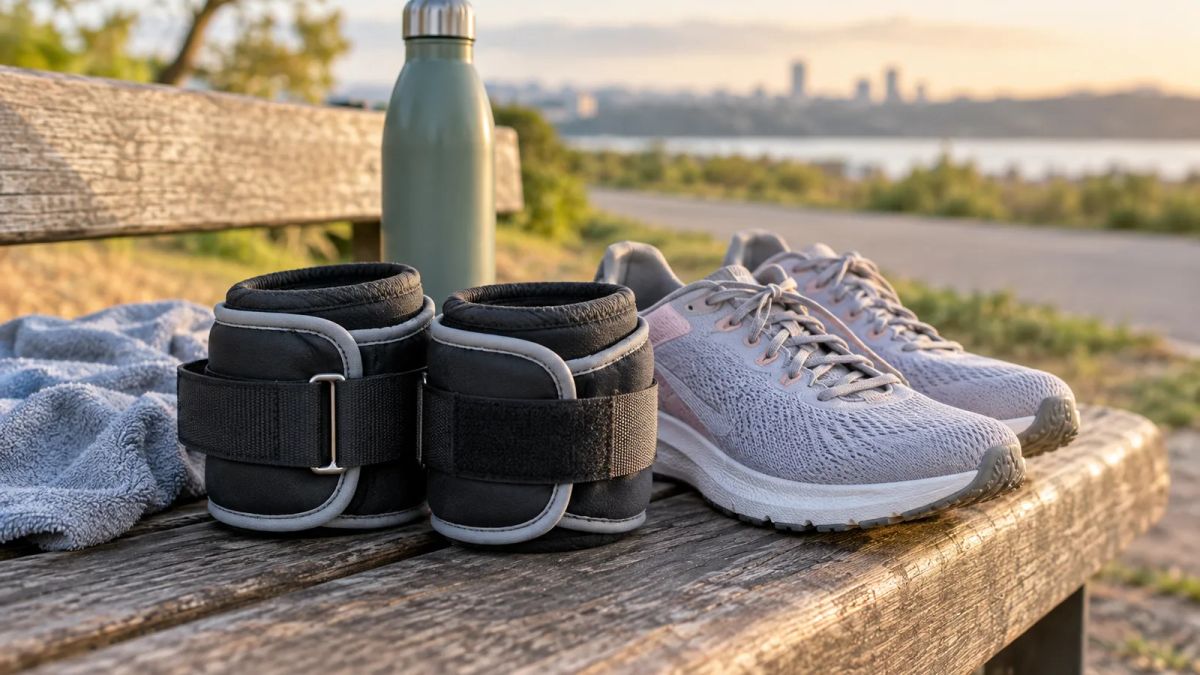
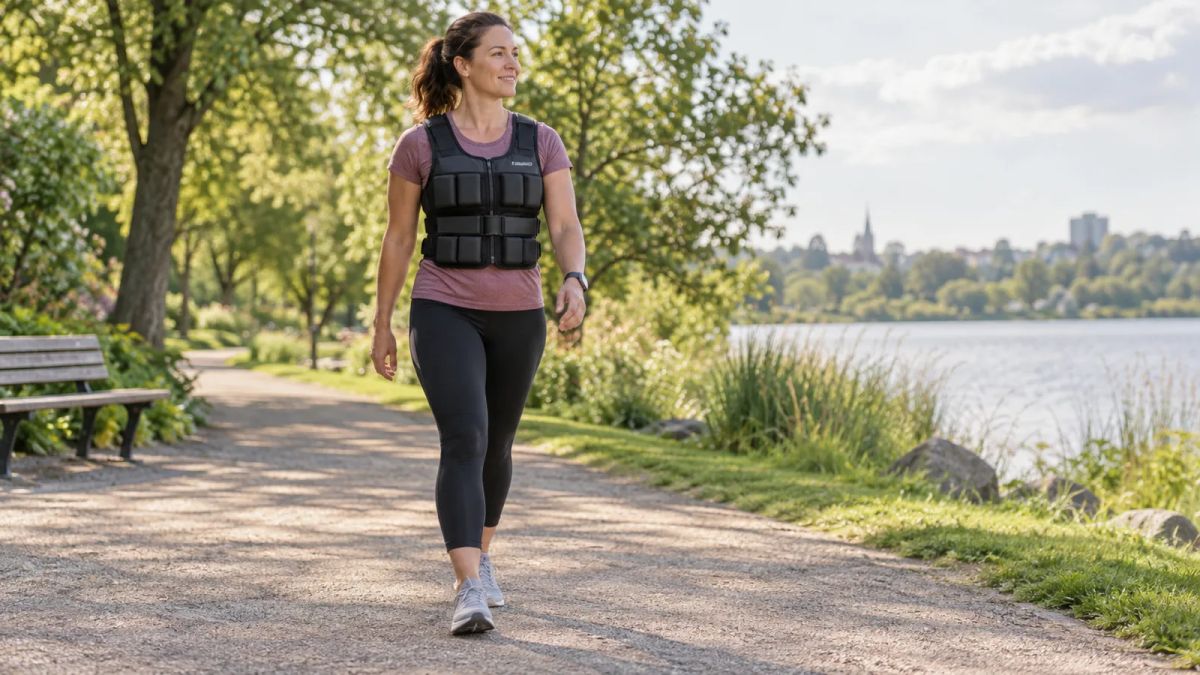
- Try a weighted vest. A light load on your torso makes every step cost a bit more and adds a small strength stimulus to your legs, as long as you start well under 10 per cent of your body weight and build up slowly.
Poles are the standout for the upper body. A vest and hills load the legs, and intervals train your heart. None of them turns a walk into a strength session by itself, but stacked together they close a good part of the gap.
Walk, and lift a little
Walking and strength work aren't rivals. They cover different ground, and the people who get the most out of their time tend to do both.
The Harvard Nutrition Source sets a good template: keep walking, and add two to three short resistance sessions a week on separate days, using bands, free weights, machines or your own body weight. You don't need a gym or an hour. A handful of squats, lunges, push-ups and rows a couple of times a week gives your upper body and the rest of you the load that walking can't.
If you are unsure where to start on that side, our guide to strength training for beginners walks through the basics without the jargon. And if you want the full case for why the walking half is worth protecting, the benefits of walking lays it out.
Keep the walking as your daily base. Let a couple of short strength sessions fill in what it leaves behind.
See the walks stack up
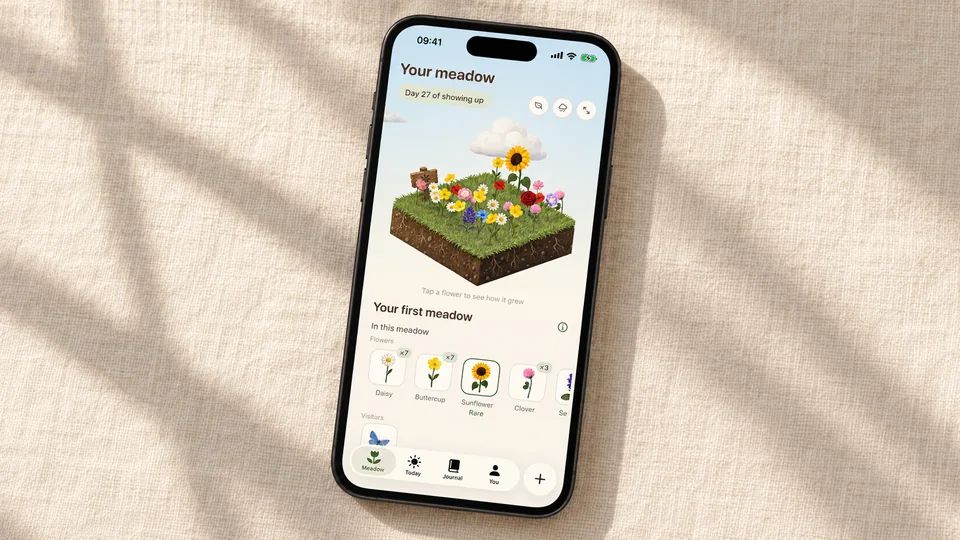
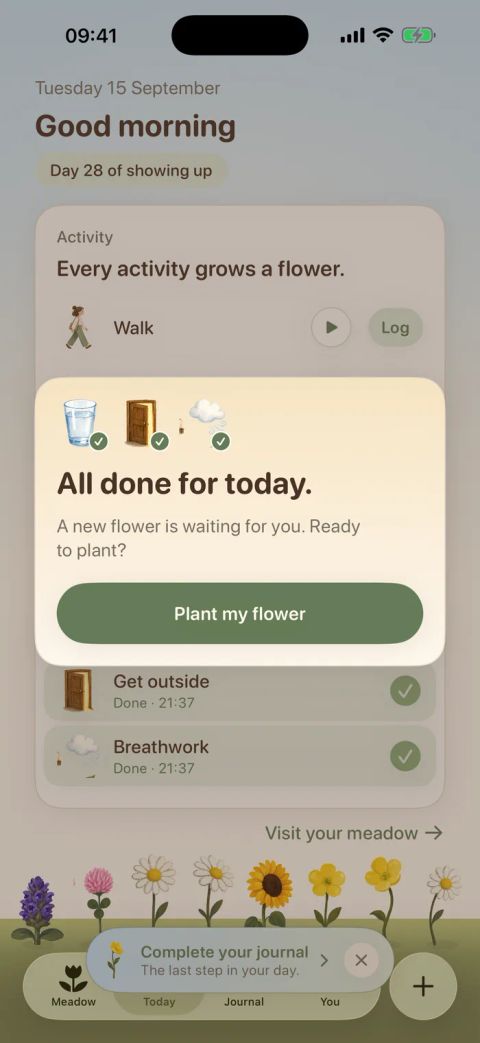
Since the win here is walking most days, it helps to see the days pile up somewhere you can glance at. Meadow has walking built in as an activity, so you log a walk in a few seconds and every day you show up grows a wildflower in your own meadow, with rare flowers and the odd animal visitor turning up as it fills in. It is a gentle habit app for iPhone from Wildcard Wellness, built for consistency, so there are no streaks and a day you skip resets nothing you have grown.
Is walking a full-body workout? FAQ
Does walking build muscle?
It maintains and tones your leg muscles and helps preserve muscle as you age, but it won't add much size or strength on its own. For that you need resistance work that loads the muscle harder than a walk can.
Does walking work your core?
Yes, gently. When you walk tall with a natural arm swing, the muscles around your trunk work to keep you balanced and upright the whole way. It is steady, low-level work, not the sort that builds a strong core by itself.
Does walking work your arms?
Barely, on a normal walk. Your arms swing for balance but carry no load. Nordic walking with poles changes that, driving real activity through your arms, shoulders and back.
Is walking enough exercise on its own?
For heart health and lower-body endurance it does a lot, and it beats most of the things you might do instead. For upper-body and overall strength, and for holding onto muscle as you get older, pair it with a couple of short strength sessions a week.
What is the best way to make walking harder?
Start with your arms and posture, then add hills or intervals. Poles bring in the upper body, and a light weighted vest adds load to your legs. Change one thing at a time so your body can keep up.
One thing to try today
On your next walk, pick a 30-second stretch and walk it briskly enough that you could still talk but couldn't sing, then ease back to your usual pace. Do that five times across the walk. It is the smallest way to turn a stroll into training, and it costs you nothing but a few minutes of breathing harder.
AUTHOR
Co-founder of Meadow.
Ash is co-founder of Meadow, a habit and movement tracking app that turns small acts of self-care into a growing wildflower meadow.
Every little bit counts
Five minutes counts. So does a dance in the kitchen.
Log the movement you enjoy and the small habits that help you feel good, and watch them bloom into something you can see.
Download Meadow