Pilates and yoga share more ground than the two sets of studios let on, and for most goals either one will serve you well. The honest split is this: Pilates is built around core strength and slow, controlled movement, and yoga is built around flexibility, breath and a steadier mind.
That's the headline. The detail is where the choice gets easier, because the two diverge in ways that map neatly onto what you might want from them.
Here is what Pilates and yoga have in common, where they part ways, what the research says for the goals people usually have in mind, and how to pick one or fold both into your week.
Where they agree
Start with the overlap, because it's large. Both are low-impact, both work your whole body from the floor, and both ask you to move with attention instead of momentum.
Cleveland Clinic points out that Pilates and yoga strengthen much the same muscles, your abdominals, back, shoulders, hips and glutes, and that both improve posture and build a kind of mindfulness through the breath. Both can steady your balance. Both tend to lift your mood on a heavy day.
A lot of the time, then, the "which is better" question has a dull answer. For general fitness, easier movement and a calmer half hour, you'll get a version of the same benefits from either. The differences below count most when you arrive with a specific goal.
Where they part ways
The two come from different places. Pilates was put together by Joseph Pilates around a century ago as a way to condition the body and rehabilitate injured people, core strength first. Yoga is far older, a centuries-old practice from India that carries a philosophy and a spiritual side, with the physical postures being one part of something wider.
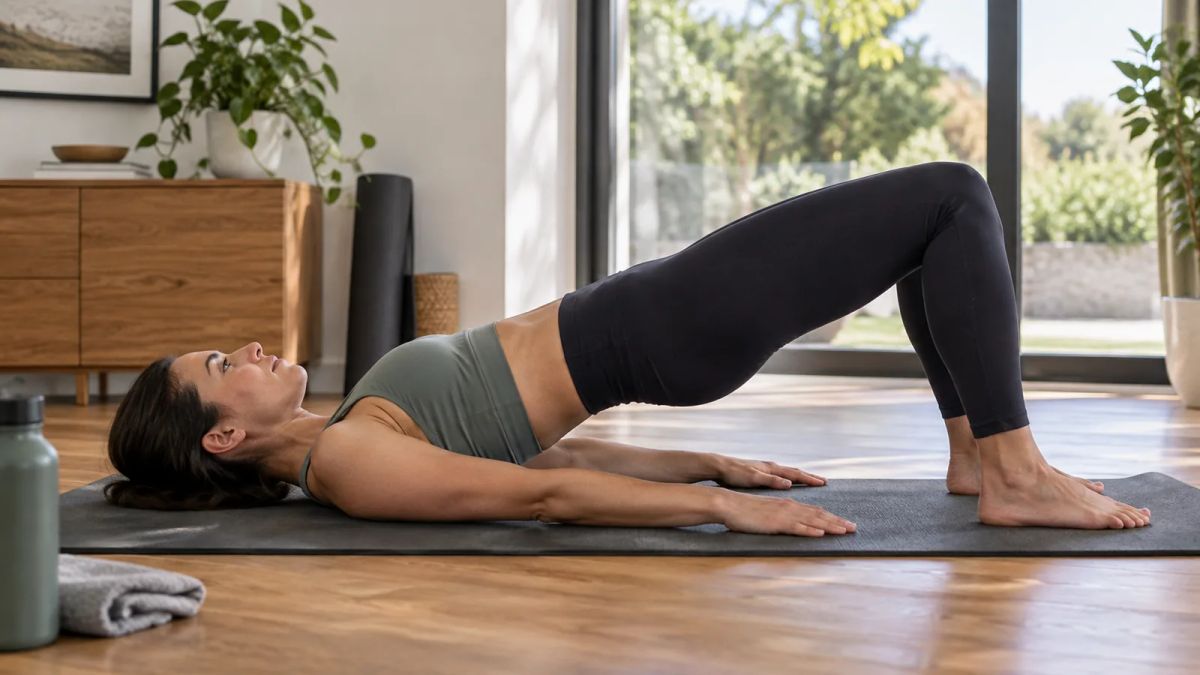
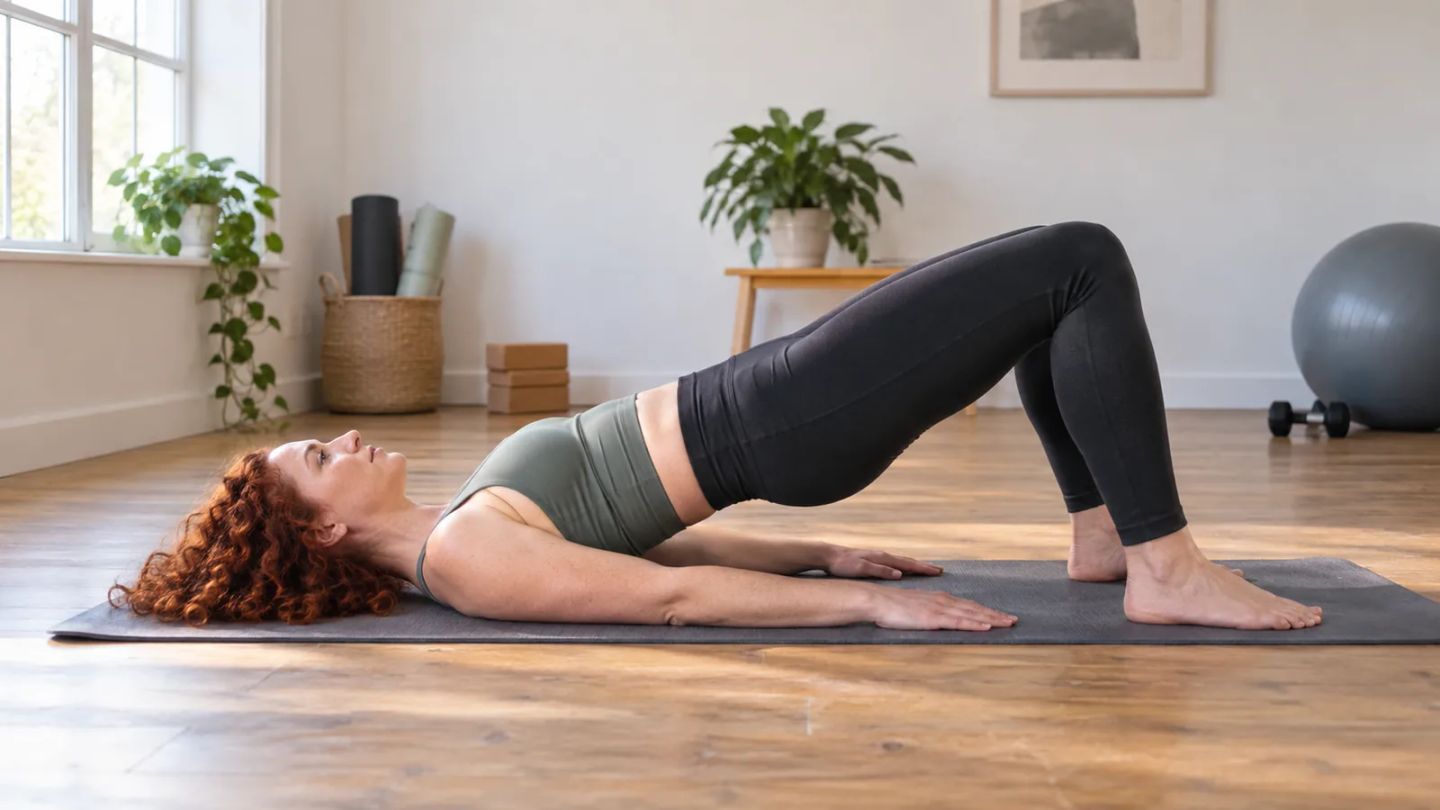
The way you move differs too. In Pilates you hold your centre steady and move your arms or legs against it, working through small, precise repetitions, sometimes on a sprung reformer machine. In yoga you settle into a pose and either hold it or flow on to the next, with the breath tied to every movement.
Cleveland Clinic's Dr Goldfarb sums the split up plainly: yoga has much more of a spiritual aspect, while Pilates is more of an approach to rehab, which is why people so often come to it after an injury or to head one off.
What the evidence says, goal by goal
Most of the research studies each practice as a whole, so read the findings as being about the method and not any single class.
For a stronger core, Pilates has the edge. It's the thing Pilates was designed to do. Harvard Health says it targets the muscles in the back, sides, pelvis and buttocks that stabilise the middle of the body. Yoga builds strength too, from holding your own weight in a pose, but it spreads that work across the body instead of drilling into the core the way Pilates does.
For flexibility, yoga is the more natural fit. Its whole shape is built around moving joints through their range and holding a stretch, and Harvard Health credits it with increasing flexibility and muscle strength together. Pilates folds stretching in and improves flexibility too, so the difference here is small.
For back pain, they come out about level, and level with general exercise. NCCIH sums up a 2022 review of 21 studies with 2,223 people that found yoga slightly better than no exercise, with the caveat that the gap may be too small for a patient to notice. An earlier US government report on 10 studies found yoga's effect on pain and function similar to exercise and massage. The Pilates picture is close. A 2023 review of eight trials with 437 people found it no worse than equally dosed exercise for core strength in chronic low back pain, and better than nothing, while rating the certainty of that evidence as very low. Treat either as a fair reason to try, not a promise. NCCIH advises talking to your healthcare provider before starting yoga for pain, and the same caution fits Pilates.
For stress and a calmer head, yoga has the stronger evidence. A 2020 review of 12 studies with 672 adults found beneficial effects on perceived stress in every one of them, and a 2019 review of 38 studies with 2,295 people found a substantial benefit for anxiety symptoms, though the evidence for diagnosed anxiety disorders is thinner. Cleveland Clinic makes the same point from the clinic floor, that learning to relax in yoga is what makes it so useful for people under pressure. Pilates helps mood too. A 2026 review of 32 trials with 1,264 people found it lifted quality of life and self-esteem, while there wasn't enough data to say much about anxiety or depression. Neither is a treatment for a mental health condition.
For balance, both help, with Pilates slightly better mapped for older adults. A 2023 review of 20 randomised trials with 930 people found Pilates improved balance, with the clearest gains in the dynamic balance you use while moving. NCCIH reports that 11 of 15 yoga studies showed an improvement in at least one balance measure. Steadier balance lowers the risk of a fall, which is worth more the older you get.
For sleep, yoga has the newer and stronger evidence. A 2025 network meta-analysis in BMJ Evidence-Based Medicine compared exercise types across 22 trials with 1,348 people with insomnia, and yoga came out best, adding close to two hours of sleep a night in the trials. The authors flagged design problems in about two thirds of the trials, so treat the size of that number with care. Pilates has a smaller evidence base. A 2020 review of six trials found it improved sleep quality scores overall, but with no clear benefit for healthy adults over 40 or for women after the menopause.
For strength, both count. The NHS lists yoga and Pilates among the muscle-strengthening activities adults should do on at least two days a week. So either one can tick that box, which is handy if lifting weights doesn't appeal.
None of this is a landslide. The benefits on both sides are real and modest, and the transformation clips oversell what either can do in a fortnight.
How to choose
Pick on the goal that brought you here.
- Choose Pilates if you want targeted core strength, you're easing back after an injury, or you like slow, controlled movement with a clear structure. Our guide to the benefits of Pilates goes deeper on what the research supports, and the benefits of reformer Pilates covers the machine version.
- Choose yoga if you're mainly after flexibility, a way to wind down, or a practice with a breath-led, mind-body side to it. If you're starting from scratch, yoga for beginners walks you through the first poses, and our guide to the different types of yoga helps you pick a style, from slow hatha to sweatier vinyasa.
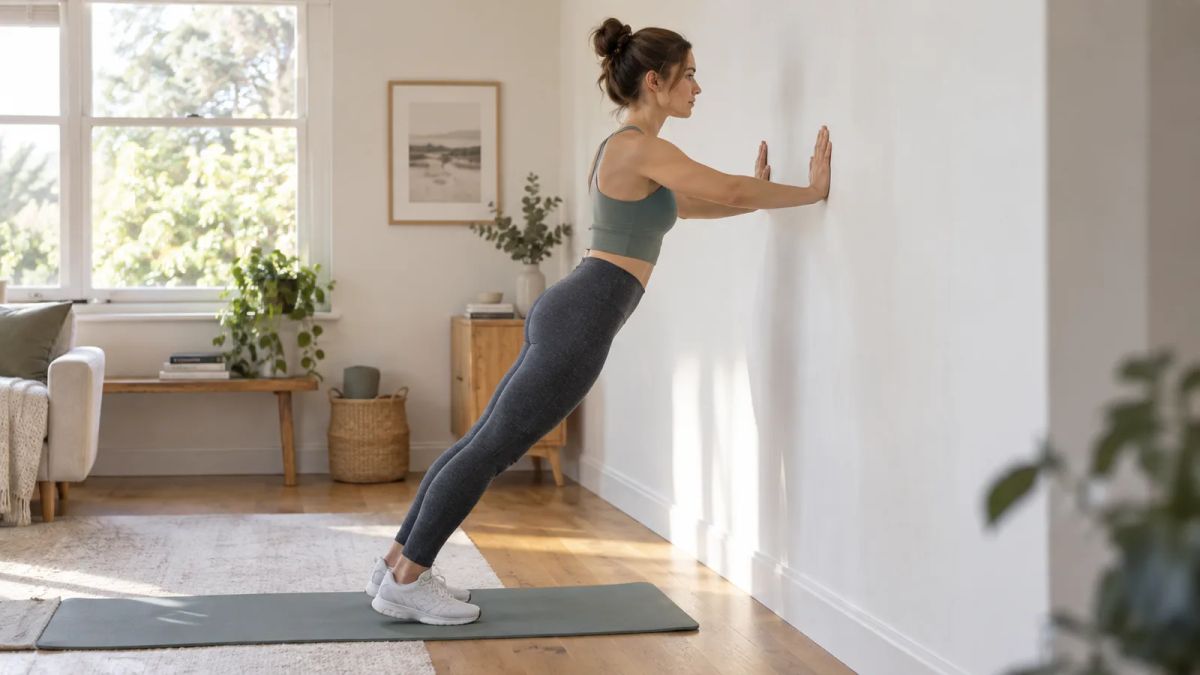
- Choose the low-fuss option if cost or space is the deciding factor. Mat versions of both need only a mat and a bit of floor. Reformer Pilates and studio yoga cost more per session, and wall Pilates is a supported way in if getting down to the floor is the sticking point.
The one you'll come back to next week beats the one that scores best on paper. If you can't decide, that's a sign either would do, so start with whichever class or video is easiest to reach.
Or do both
You don't have to choose. Cleveland Clinic's own advice is to do both, two or three sessions of each a week, slotted around your strength and cardio work. They pull in different directions in a useful way, Pilates tightening your control and yoga opening your range, and the breath sits at the centre of each.
If you go this route, keep the total sensible. Three or four sessions across the week, with rest days between, does more for most people than an ambitious plan that folds by the second week.
Somewhere for the breath to land
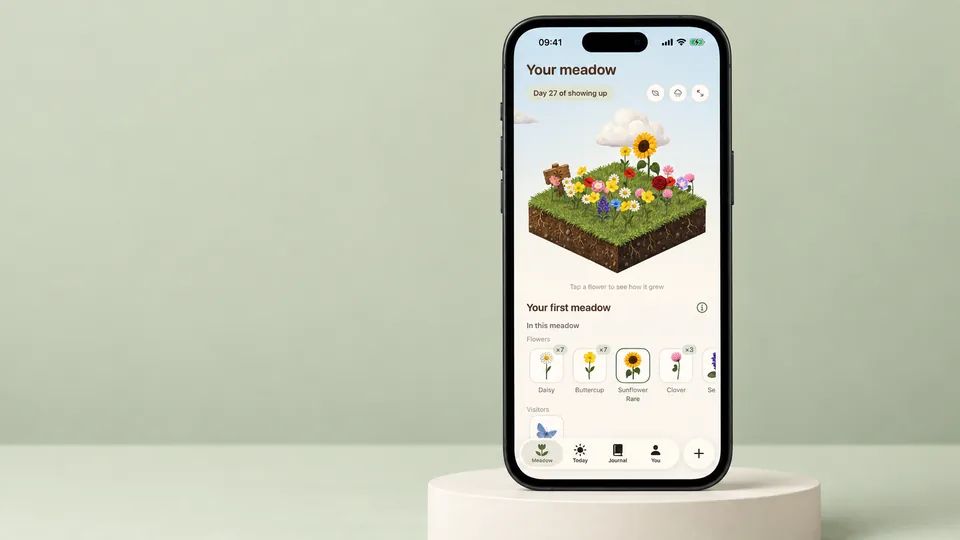
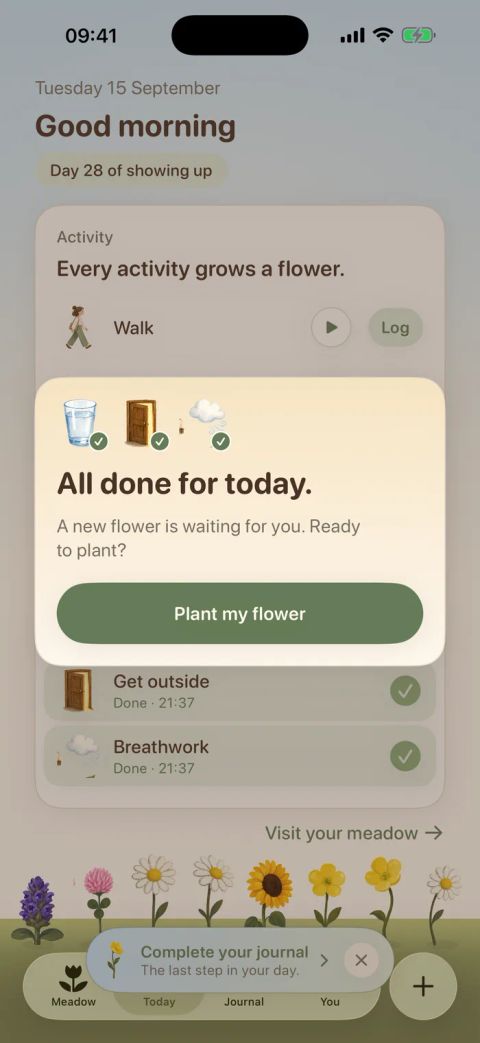
Both practices live or die on the breath, and both reward you for coming back more than for a perfect run of weeks. Meadow fits that. It's a gentle movement and habit app for iPhone with a built-in breathwork feature you practise alongside a wildflower meadow you've grown through your own effort. You log a session, a bit of Pilates or a yoga flow, with a timer, tick off small daily habits, and note your mood and energy. Every day you show up grows another flower, and there are no streaks, so a skipped week resets nothing.
A safety note before you start
Both are low-impact, and both are still exercise. NCCIH calls yoga safe when it's done properly under a qualified instructor, but advises newcomers to leave out the extreme poses like headstands, shoulder stands and the lotus position, and notes that people over 65 get hurt more often. Harvard Health gives similar advice for Pilates, that some moves won't suit you if you have a back or spine problem. If you're pregnant, recovering from an injury or managing a health condition, check with a GP or a qualified instructor first, and stop anything that brings sharp or lasting pain. Don't use either to put off seeing someone about a problem that needs looking at.
Frequently asked questions
Which is better, Pilates or yoga?
Neither, in general. They share most of their benefits. Pilates has the edge for core strength and controlled, rehab-style movement, and yoga for flexibility and stress relief. Match the practice to your main goal, and if you have no strong preference, either will serve you.
Is Pilates or yoga better for weight loss?
Neither is a weight-loss programme on its own. Both run at low to moderate intensity and burn fewer calories than brisk walking or running. The CDC is clear that weight depends mostly on your eating pattern, with activity helping you keep the change. Either can be an enjoyable part of an active week that supports a healthy weight.
Is Pilates or yoga better for back pain?
They're about level, and about as helpful as general exercise. The evidence for both is modest and the certainty low, so the better choice is the one you'll keep doing. Check with your GP first if your back pain is new, severe or not settling.
Can I do both Pilates and yoga?
Yes, and many teachers suggest it. Two or three sessions of each a week, around any strength and cardio work, lets Pilates build control while yoga builds range. Keep the weekly total realistic so you can sustain it.
Which is harder, yoga or Pilates?
It depends far more on the class than the practice. A slow hatha or restorative yoga class is gentler than most Pilates, while a fast vinyasa or power yoga class can be tougher than a beginner mat session. Pilates tends to feel hard in a specific place, your core, from slow repetitions under control. Yoga tends to test your flexibility and how long you can hold a pose. Pick a class labelled beginner in either and it will be manageable.
Is 20 minutes a day enough?
For most people, yes, as a regular habit. Twenty minutes most days adds up to well over two hours a week, and the NHS counts both yoga and Pilates as strength work toward its two-days-a-week guideline. They're low in intensity, though, so pair them with some brisker activity, like walking or cycling, to cover the heart and lungs side of your week.
Are there any downsides?
A few. Reformer Pilates and studio yoga can get expensive, and a class that's too advanced raises the risk of a strain. NCCIH notes that yoga injuries treated in emergency departments are more common in people over 65, and Harvard Health says some Pilates moves may not suit people with back or spine problems. Starting with a qualified teacher and a beginner level handles most of this.
Which is easier for a beginner?
Both have gentle entry points. Mat Pilates and a beginner yoga class each start slow and need little kit. Wall Pilates and chair-based versions of either help if getting up and down from the floor is hard. Start below what you think you can manage and build from there.
Do I need equipment?
Not to begin. Mat Pilates and most yoga need only a mat and floor space. Reformer Pilates uses a machine and costs more per class, and some yoga styles use blocks or straps you can add later. Start with whatever is easiest to keep up.
Pick the practice that matches your main goal, book one beginner session or queue one beginner video for this week, and do it straight after something you already do each day. That's enough to feel the difference, and enough to tell whether it earns a regular place in your week.
AUTHOR
Co-founder of Meadow.
Ash is co-founder of Meadow, a habit and movement tracking app that turns small acts of self-care into a growing wildflower meadow.
Every little bit counts
Five minutes counts. So does a dance in the kitchen.
Log the movement you enjoy and the small habits that help you feel good, and watch them bloom into something you can see.
Download Meadow