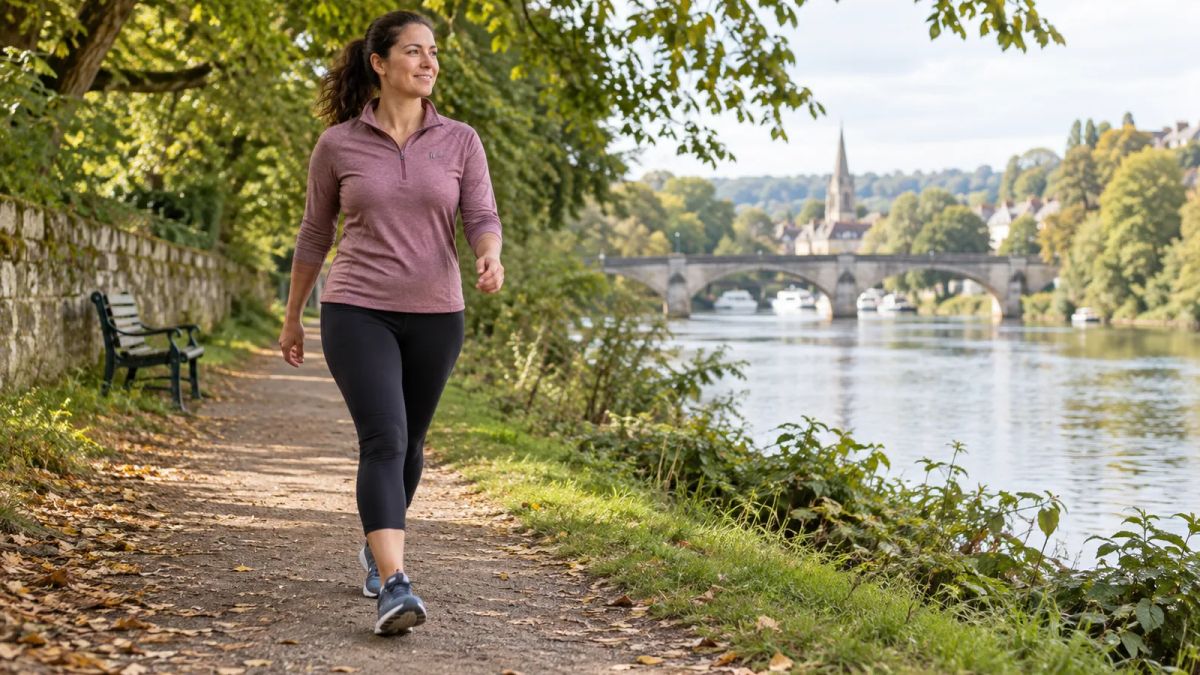
A 30-day challenge is a promise to do one small thing every day for a month, then look back and see what changed. People reach for it because a month feels like a proper attempt while still having an end you can see from day one.
This guide covers what a 30-day challenge is, why the format helps, and the part most lists skip: what a month can and can't do for a habit. After that comes how to build one you'll finish, a tracker you can copy, and a menu of ideas to pick from.
What a 30-day challenge is
You choose one action, do it every day for thirty days, and keep a record. That's the format. The action can be almost anything small enough to repeat, like a ten-minute walk, a page of a book, a glass of water when you wake up, or five minutes of stretching before bed.
The month gives the thing edges. "I should move more" is a wish with no shape, and wishes are easy to push to tomorrow. A challenge turns that wish into thirty specific tomorrows with a start, a finish and a box to tick.
Why a month is a good length
Three things make the format work, and none of them are magic.
A start date pulls more weight than it looks like it should. Researchers Hengchen Dai, Katherine Milkman and Jason Riis found that people get more motivated to chase a goal straight after a temporal landmark, meaning a new week, a new month, a birthday or the turn of the year. Gym visits, Google searches for "diet" and fresh goal commitments all rose after these moments. A landmark seems to draw a line under an untidy past and hand you a clean page, which is close to what the first day of a challenge feels like.
A finish line helps too. Thirty days is near enough to picture. You can count towards it, cross days off, and know that a hard week is a big chunk of the way through, not a drop in an endless bucket. "Forever" is heavy. "Until the 30th" is light enough to pick up.
A month is also long enough to build a little momentum. By week two the action stops feeling like a decision you have to win every morning. That run of days does more than any single day could, and the doing gets a bit lighter as it goes.
The honest bit: a month is a jumpstart, not a finish line
This is where a lot of challenge advice oversells. You'll see the old line that habits take 21 days to form. They mostly don't.
The most-cited study on this, by Phillippa Lally and colleagues at UCL, tracked 96 people picking a new daily habit and rating how automatic it felt. The median time to reach near-automatic was 66 days, and the full range ran from 18 days to 254 days depending on the person and the habit. A daily glass of water bedded in fast. A daily run took far longer.
Thirty days rarely leaves you with a habit that runs itself. What it does leave you with is a strong start, proof you can show up, and a routine already half worn in. Treat the month as a jumpstart and you'll be happy with where you land on day 30. Treat it as the finish and you risk dropping the thing the day the calendar runs out, right when it was starting to take.
One more piece of good news from the same research. Missing the odd day didn't wreck anyone's progress. A perfect month was never the point, so you can let go of that pressure before you start.
How to design a 30-day challenge you'll finish
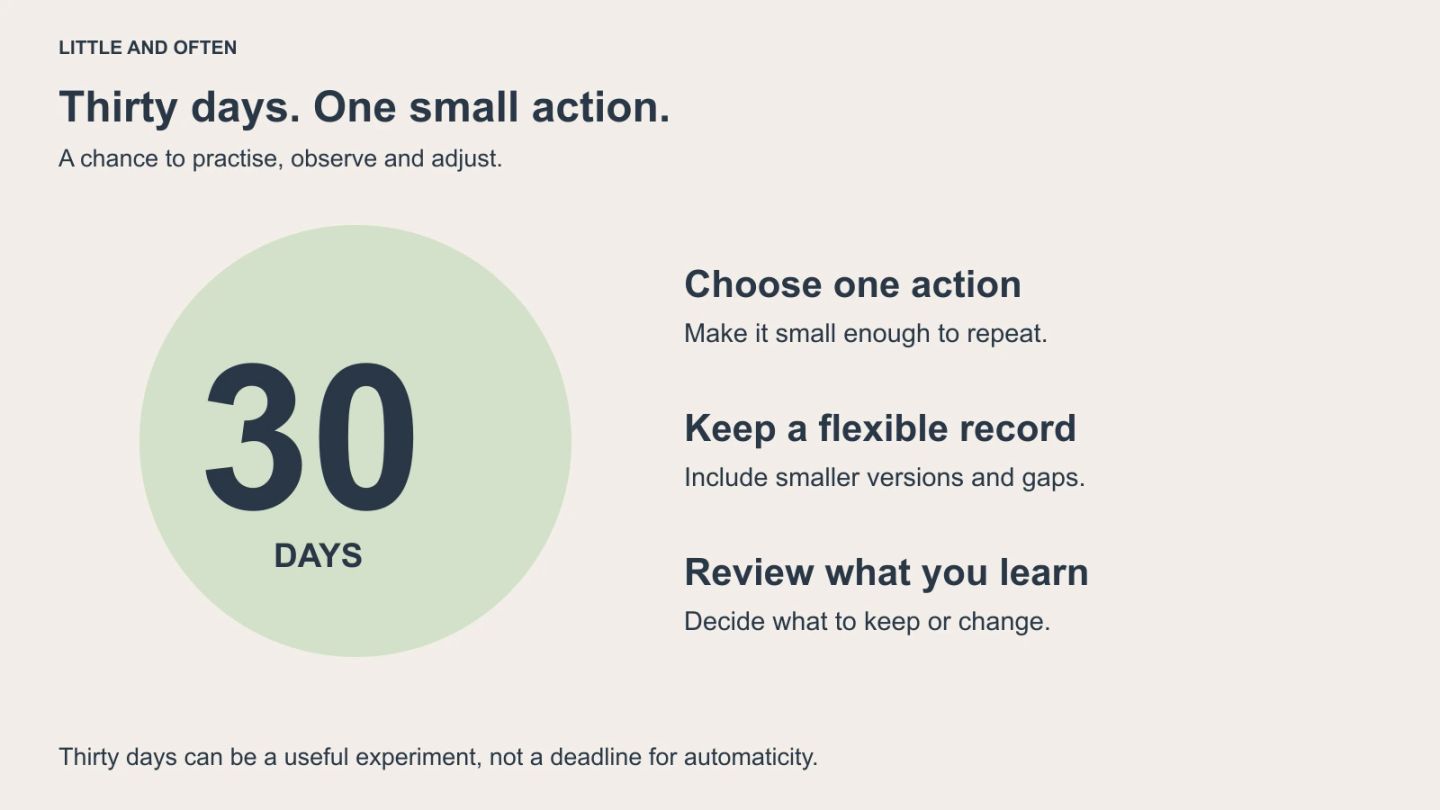
Most challenges fall over for the same few reasons. The daily action is too big, there's no plan for a bad day, and one miss feels like failing the whole month. Build against all three from the start.
- Pick one action, and keep it small. One, not five. Small enough that it feels almost too easy on a normal day. James Clear suggests a two-minute version of whatever you're after, like one page, one push-up, or one minute of breathing. A tiny action you repeat beats an ambitious one you drop in week one. Our guide to tiny habits goes deeper on making the first step laughably easy.
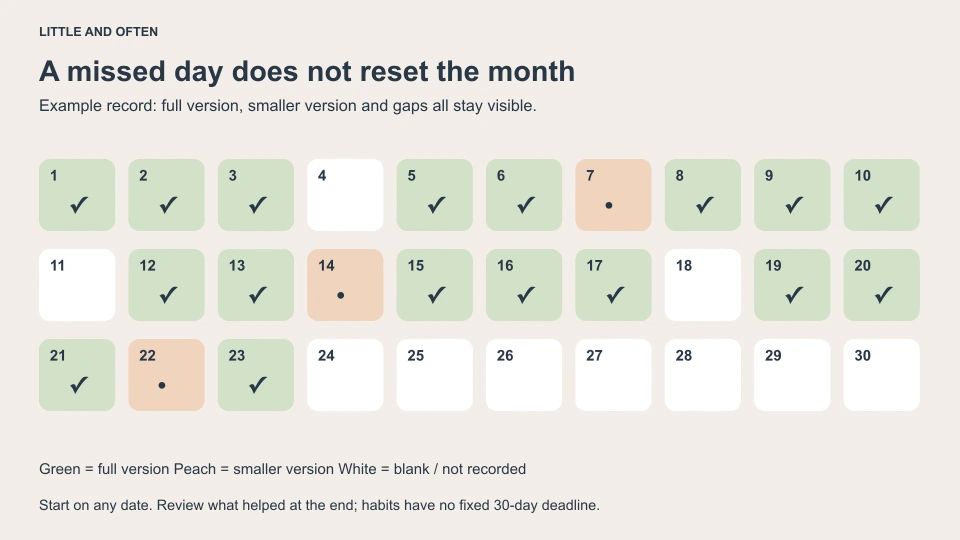
- Give it a full size and a tiny size. Decide now what counts on a good day and what counts on a rough one. A good day might be a 20-minute walk. A rough day, when you're ill or slammed or flat, might be a walk to the end of the street and back. The tiny version keeps the chain alive when the full one won't happen, and a short effort beats a skipped day.
- Plan for a miss before it happens. You'll miss a day at some point. When you do, take the next day and don't reset the count to day 1. Clear calls this "never miss twice", the idea being that one miss is an accident and two in a row is the start of a new pattern. Starting again from zero after every slip is how people quit a challenge they were doing fine at.
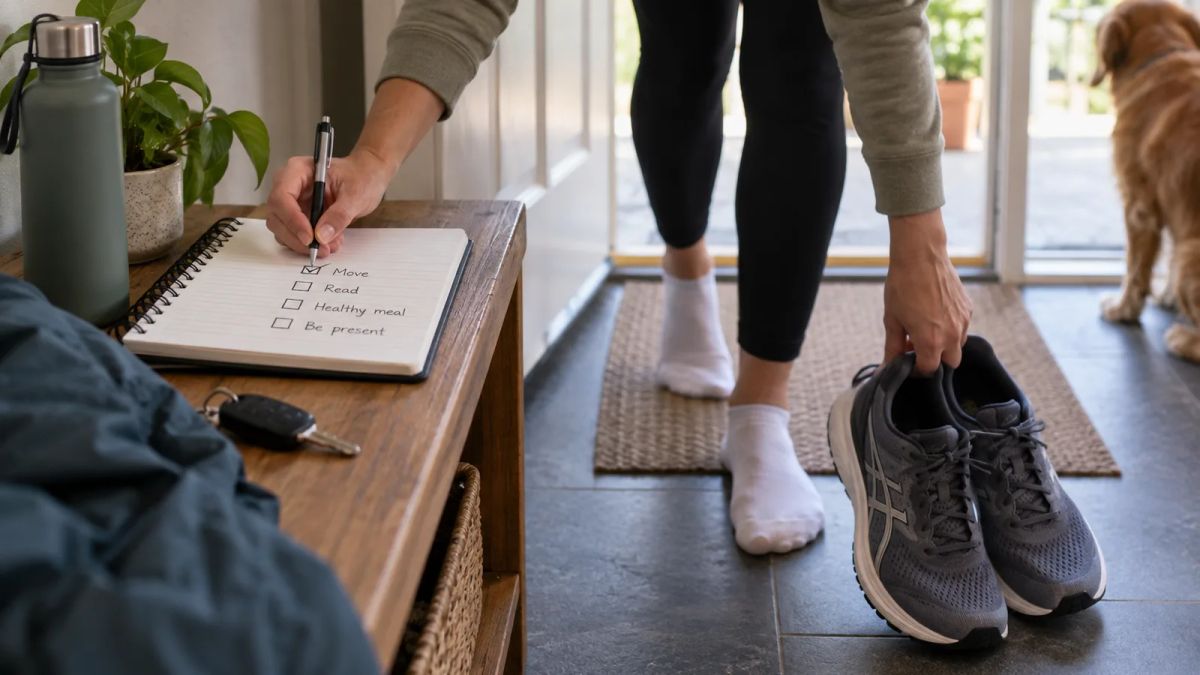
- Track it somewhere you'll see it. A visible record is the engine, not the paperwork. A meta-analysis of 138 studies found that keeping an eye on your progress makes you more likely to reach a goal, and the effect was stronger when people wrote it down or shared it. A wall calendar, a phone note or a printed grid all work. Cross off each day you show up.
Here's a blank tracker you can copy onto paper or a note. One line per week, tick each day.
My challenge: __________ Full day: __________ Tiny day: __________
Week 1: Mon ☐ Tue ☐ Wed ☐ Thu ☐ Fri ☐ Sat ☐ Sun ☐
Week 2: Mon ☐ Tue ☐ Wed ☐ Thu ☐ Fri ☐ Sat ☐ Sun ☐
Week 3: Mon ☐ Tue ☐ Wed ☐ Thu ☐ Fri ☐ Sat ☐ Sun ☐
Week 4: Mon ☐ Tue ☐ Wed ☐ Thu ☐ Fri ☐ Sat ☐ Sun ☐
Days 29 and 30: Mon ☐ Tue ☐
And here's the same tracker filled in for a water challenge, so you can see how loose it's meant to be:
My challenge: a glass of water when I wake up Full day: a full glass before coffee Tiny day: a few sips
Week 1: Mon ☑ Tue ☑ Wed ☐ Thu ☑ Fri ☑ Sat ☑ Sun ☑
Wednesday slipped. Thursday carried on as normal, with no restart and no guilt.
Aim to show up most days, not all thirty. A month with four or five gaps and twenty-five days done is a good month by any fair measure.
A menu of 30-day challenge ideas
Pick one that fits the life you have now, not the one you wish you had. Here are a few to start you off, grouped by what they're for. Whatever you choose, shrink it until it feels easy, then commit to the small version.
Movement
- Walk for 10 minutes after lunch.
- Stretch for five minutes before bed.
- Take the stairs whenever there's a choice.
- Do one short home workout or yoga flow.
- Get outside for a few minutes, whatever the weather.
Mind
- Write down one good thing that happened, every evening.
- Sit for one to five minutes of quiet breathing.
- Read a page before bed in place of the phone.
- Note your mood and energy once a day.
- Learn one small new thing, like a word, a fact or a chord.
Sleep and rest
- Put your phone down 30 minutes before lights out.
- Go to bed within the same half-hour each night.
- Swap the late scroll for ten minutes of reading.
- Skip caffeine after 2pm.
Kindness
- Send one kind or grateful message a day.
- Do one small thing for someone else.
- Give one warm, specific compliment.
- Check in on a friend you've drifted from, one a day.
Home
- Tidy for ten minutes, one timer, one room.
- Clear one surface before bed.
- Wash up before you sleep, no pots left out.
- Deal with five emails or one bit of admin.
A hydration challenge is a common first pick, and a fair target to build towards is the 6 to 8 cups or glasses of fluid a day the NHS suggests, with tea and coffee counting too.
If you're starting on the 1st of the month or in the new year, that timing is a real advantage worth using. Our guide to new year habits covers how to make a fresh start last past January. And if staying with it is the part you find hardest, how to be consistent is the natural companion to this piece.
A place to tick off the days
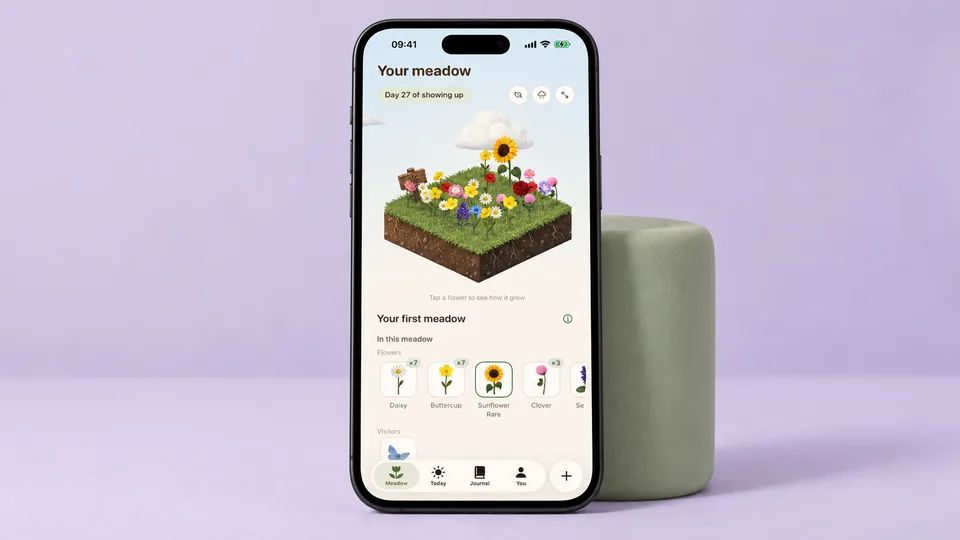
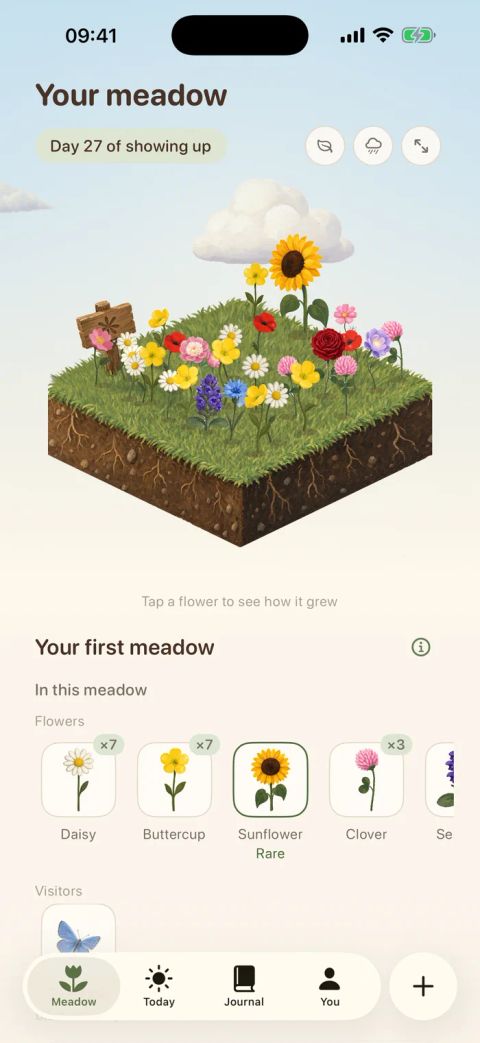
A 30-day challenge lives on showing up, so an app that counts the days you turn up can carry the tracking for you. Meadow is a gentle iPhone app from Wildcard Wellness built around that idea. You tick off a small daily habit or log a little movement, note your mood and a daily win, and a wildflower blooms for each day you show up. There are no streaks, so a day you miss resets nothing and your flowers never wilt, which suits a challenge where the aim is most days rather than a spotless thirty. If you'd sooner keep it on paper, the tracker above does the same job. You can find Meadow at growyourmeadow.com.
Common questions
Do 30-day challenges work?
They work well for starting something and proving to yourself that you can show up daily. They're less reliable at leaving you with a lifelong habit in one go, since habits often take longer than a month to settle. Use a challenge as the on-ramp, then keep going in a lighter way once it ends.
What's a good first 30-day challenge?
Something small, daily and easy to measure. A ten-minute walk, a glass of water each morning or five minutes of stretching are all good openers, because you can do them on a busy day and know for certain whether you did.
What happens if I miss a day?
Carry on the next day. Don't reset the count and don't double up to make it up. Missing one day barely dents your progress. Missing several in a row is the thing to guard against, which is why the rule is never miss twice.
Is 30 days enough to form a habit?
Sometimes, for the simplest actions. Often not, going by the research, where the average sat closer to two months and some habits took much longer. Thirty days still gets you a solid start and a routine that's already partly built, which is plenty to be worth doing.
Should I do a challenge alone or with people?
Either works. Doing it with a friend or a group adds a reason to show up and someone to tell, which the tracking research suggests helps. Doing it solo gives you full say over the goal and the pace. Pick whichever you'll stick with.
One thing to do today
Choose your one small action and your start date now, and make the action smaller than feels impressive, like ten minutes, one page or one glass. Write it at the top of a tracker, decide the tiny version for bad days, and do day one today instead of waiting for Monday.
AUTHOR
Co-founder of Meadow.
Ash is co-founder of Meadow, a habit and movement tracking app that turns small acts of self-care into a growing wildflower meadow.
Little and often, with Meadow
Consistency, not intensity.
Meadow turns the movement you enjoy and the habits that help you feel good into a meadow of wildflowers. No streaks to break, and your flowers never wilt.
Download Meadow