Hot Pilates is a faster, sweatier take on mat Pilates, done in a room heated to around 35°C, and its real benefits are the ones Pilates has always delivered: a stronger core, better posture, more flexibility and a lift in mood, provided you keep turning up. The heat makes the class harder and the sweat dramatic, but the best evidence says it adds far less than the studios imply.
So you're looking at a good workout wrapped in slightly overheated marketing. The Pilates underneath is worth doing. The claim that the room is what transforms your body does not hold up.
What hot Pilates is
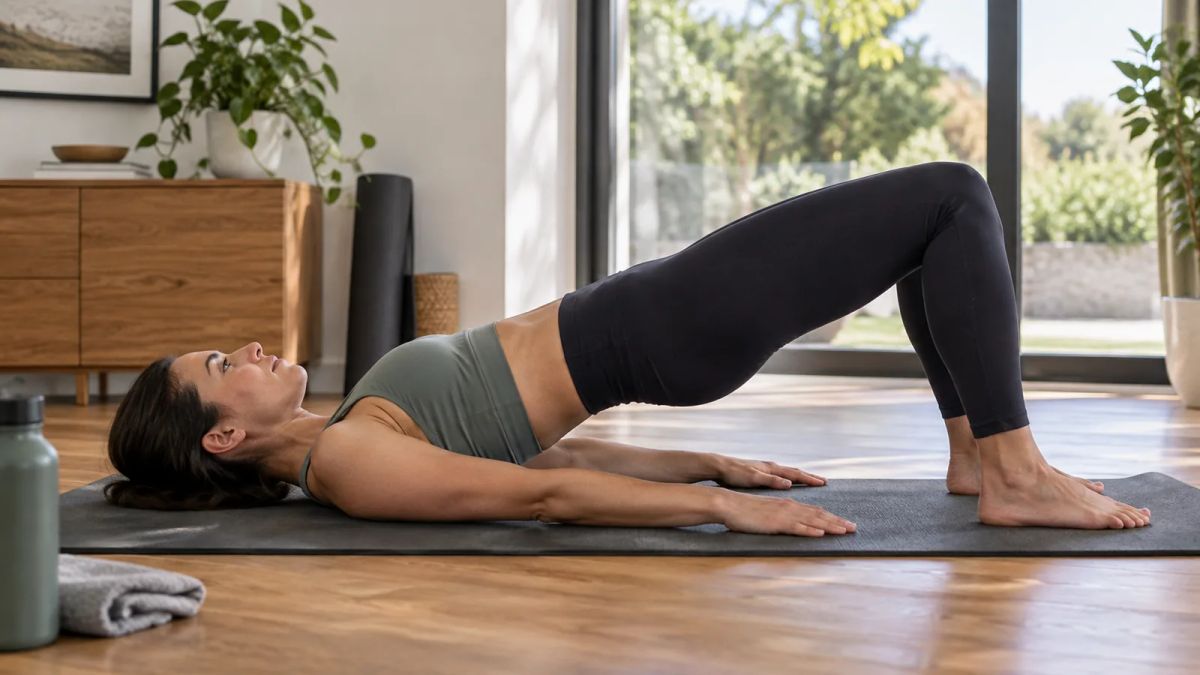
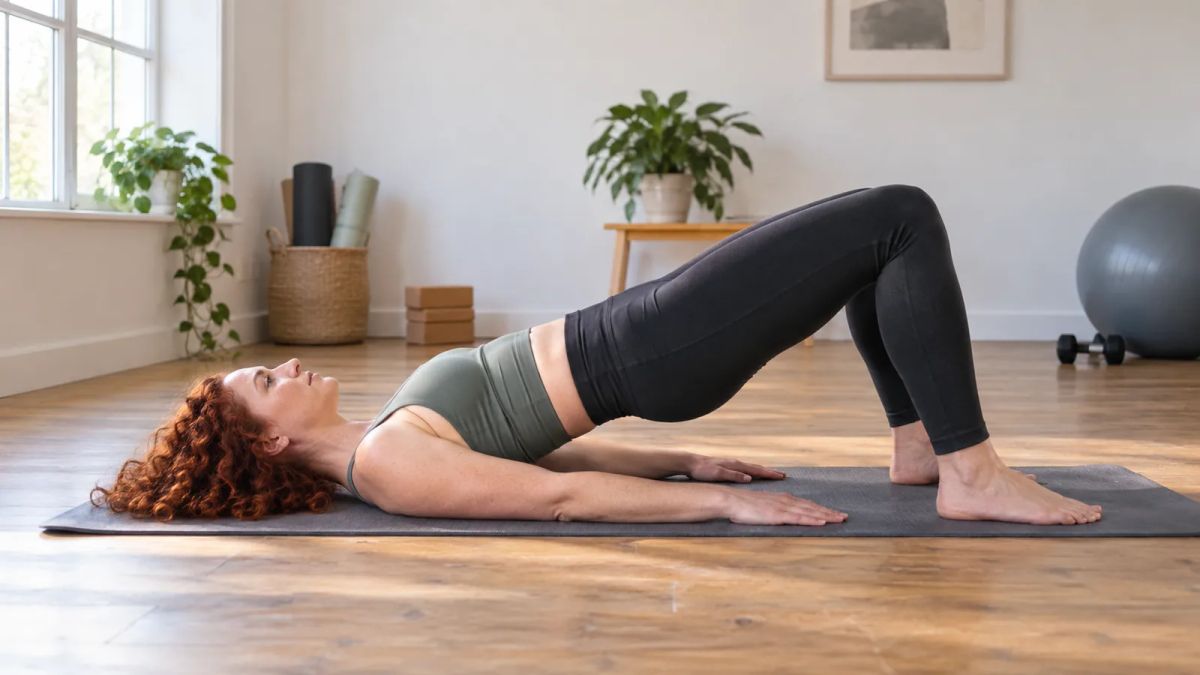
Hot Pilates blends Pilates moves with high-intensity interval training and runs them in a heated studio. Healthline describes it as a high-intensity, low-impact, full-body workout, with the room heated to 95°F (35°C) and set at 40% humidity so you sweat hard throughout. The best-known format, Inferno Hot Pilates, was started in Las Vegas in 2009 by former competitive athlete Gabriella Walters, who wanted cardio and intensity in a workout that stayed low impact.
That is the main difference from a standard class. You still get the core work, the controlled reps and the focus on alignment. You get them faster, with more squats, lunges and mountain climbers folded in, and in a room warm enough to leave your mat slick by the end. Some classical Pilates staples, like the Hundred or rolling like a ball, may not appear at all.
It is a studio format more than a separate discipline. Names and temperatures vary from one chain to the next, and some studios heat the room with infrared panels instead of warm air, but the recipe is consistent: Pilates plus intervals plus heat.
Is hot Pilates harder than regular Pilates?
For most people, yes. Two things stack up. The interval format keeps your heart rate higher than a slow mat class does, and the heat makes the same effort feel tougher because your body is also working to cool itself.
Harder is a different thing from better, though. A class that feels brutal can still burn a modest number of calories and build no more strength than a cooler session of the same moves. Treat the first few classes as a chance to learn how your body copes with the heat, and go easier than your ego suggests.
The benefits that hold up
Almost no research looks at hot Pilates by name, so the sensible move is to trust what we know about Pilates and treat the heat as a variable on top. On that footing, the benefits are well founded.
A stronger core. Pilates is built around the muscles that stabilise your middle, and Cleveland Clinic is clear that the core is more than your stomach, taking in "your sides, your mid to lower back, your buttocks and your hips". A steadier centre makes ordinary movement easier, from lifting a toddler to standing up without using your hands.
Better posture and flexibility. The same Cleveland Clinic guidance links a strong core to easier good posture, and notes there's a good deal of stretching in Pilates, which improves flexibility. If you spend your day hunched over a screen, this is the kind of practice you tend to feel first.
Balance and lower back relief. Cleveland Clinic points to better balance and coordination as your core learns to find your centre of gravity, and says Pilates is known especially for easing lower back pain. Those gains come from doing the movement, heated or not.
A better mood. This one has decent, if mixed, support. A 2026 systematic review in the journal Sports pooled 32 trials with 1,264 people and found Pilates produced significant improvements in quality of life and self-esteem, though its effects on depression and anxiety came out limited or non-significant. The reviewers flagged very high variation between studies, so read this as encouraging, not a treatment claim.
There's one intriguing hint that heat could play a part in mood. In a 2023 Massachusetts General Hospital trial, 80 adults with moderate to severe depression were split between heated yoga in a 105°F room and a waiting list. After eight weeks, 59% of the yoga group had their symptoms cut by at least half, against 6% on the waiting list. The researchers couldn't tell how much of that came from the heat and how much from the yoga, and they've called for a trial comparing heated with unheated classes. It's a yoga study in people with diagnosed depression, so treat it as a reason for curiosity and keep your expectations modest.
The thread through all of it is consistency. These are benefits of showing up to Pilates over weeks, not of one hot class you never repeat.
What the heat does, and what it does not
The warm room changes how a class feels. Muscles loosen sooner, so a stretch that would fight you in a cold room opens up more readily. Your heart rate climbs faster. You sweat buckets.
What is harder to find is proof that any of this makes you healthier than the same Pilates at normal room temperature.
The cleanest test we have comes from heated yoga, which shares the premise. Researchers at Houston Methodist ran 16 experienced practitioners through the same Bikram sequence hot and at room temperature and measured heart rate, oxygen use, calorie burn, range of motion and inflammatory markers. The heated sessions showed only one significant advantage, a little more hip range of motion, and the researchers concluded the practice "does not sufficiently stand up to the claims that hot yoga is better for you". Calorie burn was similar in both rooms, at roughly 150 calories a session. The heat, in other words, was mostly optional.
Then there is the sweat, which the marketing loves and which misleads more people than anything else. Dripping does not equal fat burning. As Healthline puts it, the idea that "excessive sweating equals weight loss relates to loss of water rather than burning calories or fat". You weigh less stepping off the mat because you're low on fluid, and the number comes straight back the moment you rehydrate.
The "detox" claim fares no better. Cleveland Clinic explains that sweat is about 99% water, with sodium and chloride making up most of the rest and only trace amounts of anything harmful. Your liver and kidneys do the cleaning. A soaked towel tells you the room was hot, and that's about all.
Weight loss itself is driven mostly by what you eat. The CDC says getting to and staying at a healthy weight takes both regular activity and healthy eating, with most of the loss coming from eating fewer calories and activity helping you keep it off. Hot Pilates can be a fun part of an active week. It isn't a shortcut, and no amount of sweat changes that.
The extra flexibility is real in the moment but temporary. Warm tissue stretches further while it is warm, then cools back to where it was. The lasting gains in range of motion come from regular practice, which you would get in a cooler room too.
Staying safe in a hot room
This is the part the reels skip, and it's the part to take seriously. Exercising in heat pushes your body's cooling system, and when your core temperature rises faster than you can shed it, heat illness follows.
Henry Ford Health is direct that heat stroke is a medical emergency, and lists the warning signs to leave the room for: cramping, dizziness, headache, nausea or vomiting, and a racing heart. If any of those show up, stop, get somewhere cool and drink. Don't try to push through.
Hydration is the thing to plan, not improvise. Their advice is to be well hydrated before class and to keep it up during and after, bringing water or an electrolyte drink to the mat and going easy on alcohol afterwards, since it can add to the fluid you've already lost.
Some people need a doctor's go-ahead before stepping into a heated class. Henry Ford Health names pregnant people, older adults, and anyone with heart disease, high blood pressure or an irregular heartbeat, along with people managing neurological conditions, diabetes or obesity, or anyone not currently in good physical shape. Healthline goes further on pregnancy, advising against long spells of hot exercise because overheating is a health risk. If you're in any of these groups, a room-temperature Pilates class gives you the movement benefits without the heat load.
Cleveland Clinic's standard advice applies to everyone else too: it's always a good idea to talk with a healthcare provider before starting a new routine, and doubly so if you're recovering from injury or surgery, or living with a condition that heat could aggravate. A GP or physiotherapist can tell you whether the hot room is a good idea for you or whether to keep your Pilates cool.
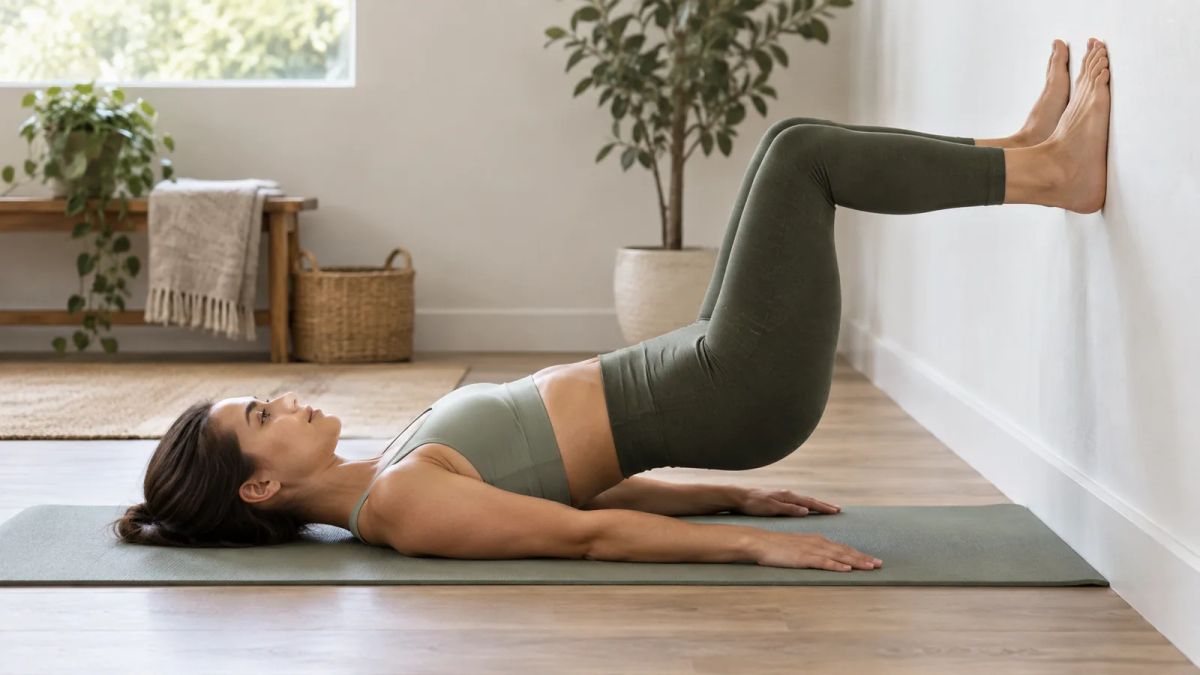
On a day when a full heated class feels like too much, shrink it instead of skipping the practice. A shorter session at the back of the room, a cooler class, or ten minutes of mat Pilates at home all keep the thread going. If hot Pilates has hooked you on Pilates itself, our guide to the benefits of Pilates covers the wider evidence, and wall Pilates exercises give you the same core and posture work in a cool room with no kit.
And if you miss a week, pick the next class and go back. A gap does not undo the strength you've built.
What to wear and bring
Dress for getting soaked. Healthline's advice is to wear something comfortable and accept that it will end up sticky and wet, so close-fitting, sweat-wicking kit works better than loose cotton that clings and drags. Most studios expect bare feet or grip socks.
You need less than the kit lists suggest: a mat, a large towel to lay over it so you don't slide, water or an electrolyte drink, and a bag for your wet clothes afterwards.
A quick before-class checklist
Run through this the first few times, and it becomes second nature. Copy it or keep it on your phone.
Before a hot Pilates class
☐ Drink 400 to 500ml of water in the two hours beforehand
☐ Eat something light 60 to 90 minutes before, not a big meal
☐ Pack water or an electrolyte drink, a sweat towel and a grippy mat
☐ Tell the instructor if it's your first heated class or you feel off
☐ Set up near a door or the cooler back of the room
☐ Plan to sip through the session, not gulp at the end
☐ Rehydrate afterwards and skip the post-class glass of wine
If dizziness, a pounding head or nausea turns up mid-class, that checklist gives way to one rule: stop and cool down.
A gentle place to keep the practice going

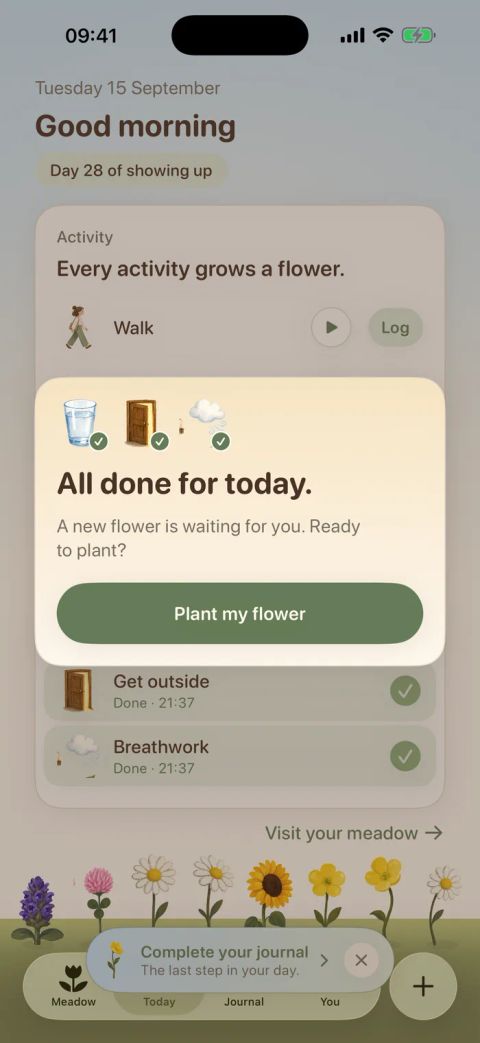
If you'd like to see your movement add up somewhere quiet, Meadow is a habit app for iPhone that turns each day you show up into a wildflower. You record the movement you enjoy with a timer, whether that's a hot Pilates class, a walk or a few minutes of mat work at home, tick off small daily habits, and note how you're feeling. It's built for consistency, so there are no streaks to break and a rest week wipes nothing you've grown.
Frequently asked questions
Is hot Pilates good for you?
Yes, for the reasons any Pilates is: core strength, posture, flexibility, balance and, for many people, a better mood, when you do it regularly. The heat itself adds little proven benefit over a cooler class, and it raises the safety stakes, so the value sits in the workout itself.
Does hot Pilates burn more calories or help you lose weight?
The intervals raise your heart rate, so a class burns some calories, but the heavy sweating is water loss, not fat loss, and the weight returns when you rehydrate. In the Houston Methodist hot yoga study, calorie burn was about the same hot or cool. Lasting weight change depends mostly on how you eat, with activity helping you maintain it.
Does hot Pilates change your body?
Over months, regular Pilates can make you stronger through your middle and more upright, which changes how you move and can change how you look. The heat doesn't speed that up. Any slimmer feeling straight after class is fluid loss, and it's gone by the next morning.
Who should not do hot Pilates?
Pregnant people, older adults, and anyone with heart disease, high blood pressure, an irregular heartbeat, a neurological condition or diabetes, or who is new to exercise, should get medical advice before a heated class and may be better off in a room-temperature one. Check with a GP first if you have any health condition the heat might affect.
How hot is a hot Pilates room?
Around 35°C (95°F) at roughly 40% humidity is typical, though studios vary and some run hotter. That's warm enough to make you sweat heavily and to make hydration and pacing matter.
How many times a week should you do hot Pilates?
Start with one class a week for the first couple of weeks while you learn how your body handles the heat. After that, two or three sessions a week is plenty, with rest days between and a cooler class or a walk on days when you're tired. Mixing hot and room-temperature sessions works well too. It all counts towards the NHS target of 150 minutes of moderate activity a week plus strengthening on two days, and the NHS lists Pilates among its strengthening examples.
Is hot Pilates better than regular Pilates?
Not in any way the evidence can find, beyond a little extra flexibility while you're warm. The heat changes how the class feels more than what it does for you. Pick whichever version you enjoy enough to keep doing, and pick the cooler one if heat and you don't get on. If you're weighing Pilates against other options, our Pilates vs yoga comparison may help.
For your first go, book a beginner or introductory class, run through the checklist above, and set up near the door. That's enough to feel what hot Pilates is like and to decide whether the heat earns a regular slot or whether the cooler version suits you better.
AUTHOR
Co-founder of Meadow.
Ash is co-founder of Meadow, a habit and movement tracking app that turns small acts of self-care into a growing wildflower meadow.
Every little bit counts
Five minutes counts. So does a dance in the kitchen.
Log the movement you enjoy and the small habits that help you feel good, and watch them bloom into something you can see.
Download Meadow